
The Tired Hands Behind Iconic Shoes: Mariqueño shoemakers and their plight
Get to know more about the shoemakers who make Marikina made shoes—and the conditions they work under.
Written by Williane Tobias

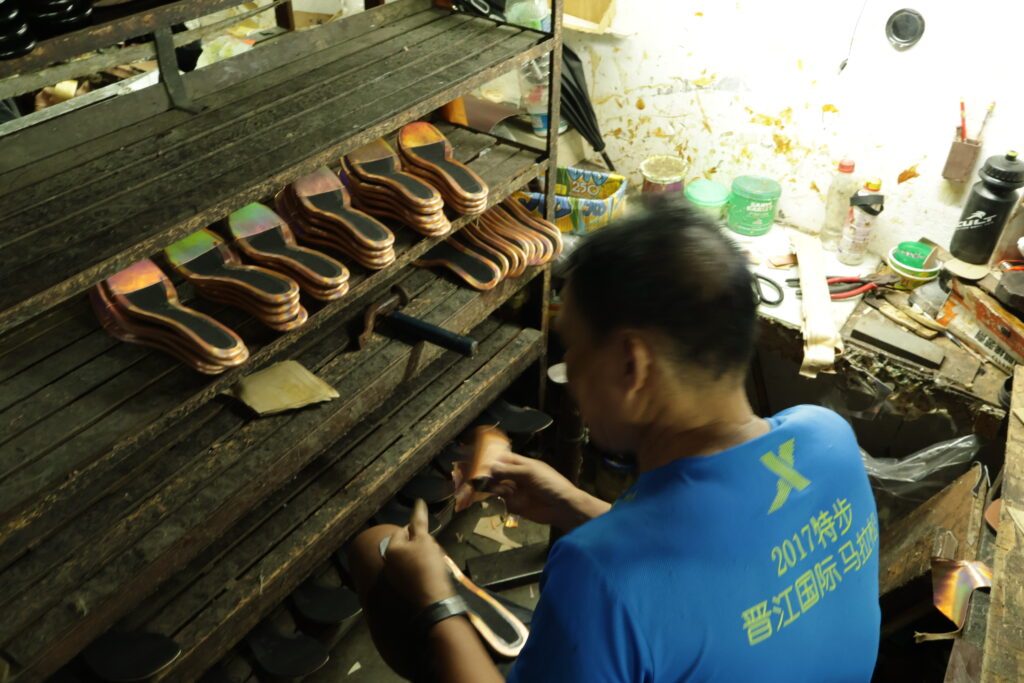
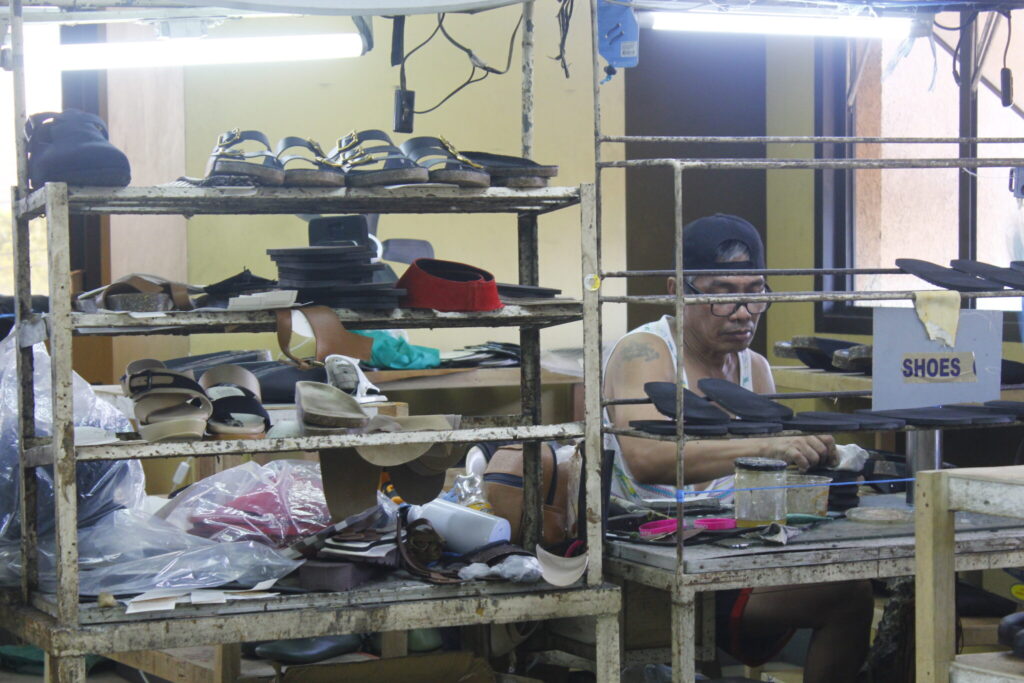
The environment is cramped and dusty. Our group enters a small, informal space dedicated to shoemaking, with the shoemakers hard at work, surrounded by piles of finished shoes and raw materials. This is just one of the environments shoemakers work in–with the lack of regulations, differing quality of equipment and lack of government support, this is the reality of Marikina shoemakers in the present.
Putting ourselves in their shoes
“Yung trabaho na to sa mga walang pinag-aralan talaga sa mga hindi nakatapos (This job is for those weren’t able to finish school)” shoemaker Bong Bermudez says, when asked why he thinks younger generations don’t take up shoemaking. There isn’t a sense of pride when describing their work–in fact, Bong did not teach the craft of shoemaking to his children, saying “mahirap na, bukod dyan maliit na ang sweldo.”
The wage of shoemakers goes below the minimum wage. Bermudez shared how a number of them shifted to construction for better pay, stating “Alam niyo ba kung saan sila nakakaalam? Construction. Karamihan. Kasi yun talaga medyo walang kasweldo. Kasi kwan sila. Yung sinatawag na minimum wage. (You know where they shift to? Construction. Most of them. Because there’s not much earnings here, the so called minimum wage)” Kuya Ray, who works on shoe repair, mentions how their wage is enough to provide food three times a day–and for them, that’s enough, even if it goes below the supposed minimum salary.
Lacking support during the pandemic and beyond
The pandemic affected most industries, with shoemaking being one of them. It’s not just economical damage however but a period of hardship for shoemakers who cannot work at their factories. Shoemaker Christopher Jessie shared what it was like under the pandemic. “Super affected yung market. Kasi nga, since hindi naman nakakalabas, tapos walang production, kasi nga bawal pa pumasok. So, sobrang laking efekto niya sa mga manufacturing.
(The market was affected, because since you can’t go outside and there was no production because it’s not allowed to go to work. It had a big effect on manufacturing.)”
Bermudez explained how there was no government support, and how it was the business owner who helped them get through the pandemic “Sa amin wala. Kasi kami dumaan ng pandemic, ang nagbigay sa amin mismo yung may-ari nito. Naabutang kami ng pagbigas-bigas. Pero yung tungkol sa gobyerno wala eh. Katulad ng ayuda, buti pa nga yung mga magta-tricycle driver may ayuda, kami wala. Totally wala. (For us, nothing. As the pandemic passed, aid was given by the owner of the business, but when it comes to the government they did not provide. Tricycle drivers have it better, they had aid and we did not)”
This mirrors how most of the shoemakers we interviewed were not aware of the law and policy surrounding shoemaking. For those who knew, they cite how it had little effect on the business, take for example shoemaker Ronaldo Lopez who mentions that government help was still lacking “Kaya lang, kasi ang pagtulong nila, may bayad din. May bayad. Gumagawa sila ng bazaar, pero kailangan namin magbayad. So, hindi na kami nagpaparticipate sa ganyan. (Despite this, their help comes at a price. They set up bazaars, but we still need to pay them to join. So we don’t participate in those.)” Opportunities such as the bazaar are a chance for businesses to market themselves to more people, but a paywall hinders those who do not have the budget.
Making their voices heard
Christopher Jessie, the youngest shoemaker we interviewed, says how important it is to market Marikina made shoes not just locally but internationally. “Feeling ko naman, dapat both eh. Kasi since tinatanggilik na nga yung mga imported dito, feeling ko dapat kailangan na din natin mag-market sa ibang bansa. At mas palakasin yung market dito sa locally, Philippines. (I feel it should be both. Since we are proud of imported products here, we should market to other countries and strengthen the market here locally)”
Initiatives from the government must also be accessible to all types of businesses, not just those who are well established. While fiscal policies like tax exemptions help in the moment, there needs to be support in terms of marketing and getting their products out there. For Ronaldo Lopez, he talks about his ideal form of government help “Kailangan lang ng support ng government talaga. Like, ganyan, gumawa sila ng bazaar na libre, kahit ano, ma-promote lang yung ano, may isang lugar sila na paglalagyan ng mga sapatos na dadayuhan talaga ng iba’t ibang lugar (What’s needed really is the support of the government. Like making bazaars free, or having one space where we can distribute our shoes that people from other places will really visit)”
For these shoemakers, government support remains lacking. From their low wages to lack of marketing, there is no pride in being a shoemaker for these people–only struggle and a job that keeps them afloat. With Marikina’s proud legacy as the shoe capital, more should be done for the people who helped build that legacy.
Share this article!
Share your Thoughts
How did you feel about the article? Answer the prompt or simply join the discussion!
After learning about the shoemakers’ low wages and lack of government support, what is one concrete action (beyond buying a shoe) you feel is most important for our generation to take to ensure their voices are heard?