
Tracing back the footsteps of the Marikina shoe industry’s rise and fall
Follow the footsteps of the shoe industry from its humble beginnings to the industrialized city it is today.
Written by Williane Tobias

When one thinks of Marikina, its title of “Shoe Capital of the Philippines” almost always follows. With the industry being a longstanding fixture of the city, it has faced both highs and lows: from holding a monopoly over the production of shoes to being dethroned by international export, the industry continues to change with the times.
The first step
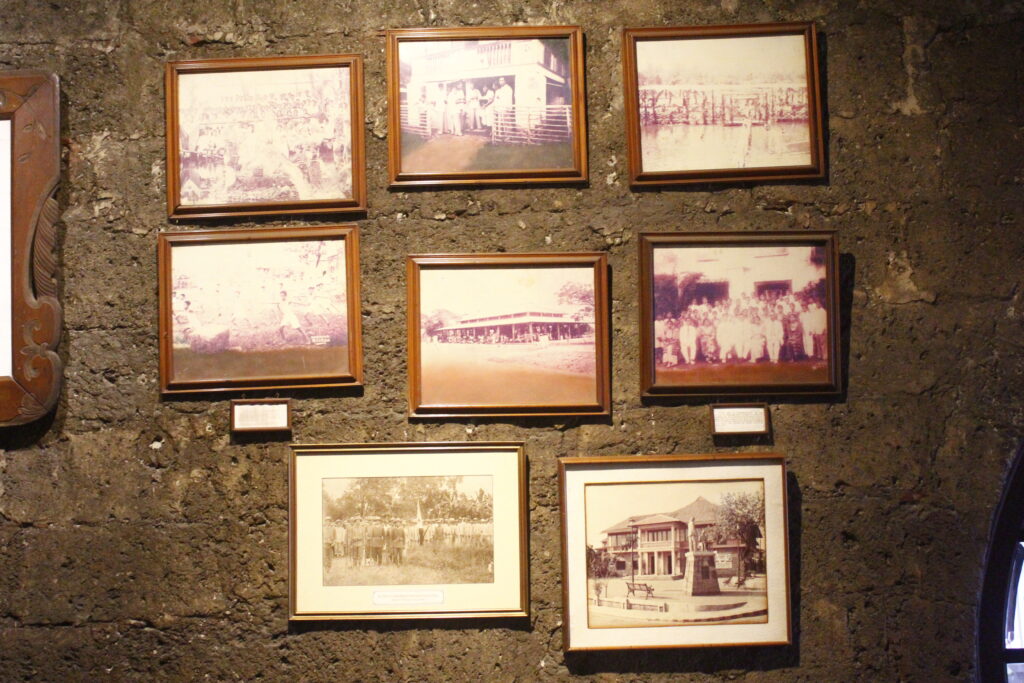
The industry’s foot steps can be traced back to 1887 when Don Laureano “Kapitan Moy” Guevarra, known as the father of Philippine shoemaking, dismantled a pair of worn British shoes. He studied the construction of the pair and replicated its design with the help of townsmen within his village. Through trial and error, this would establish the basis for the Marikina shoe industry.
Through the years, Mariqueno residents developed a work ethic through their experience in shoemaking which prepared them for the rise of plants and factories mid 20th century. This ushered in a wave of new residents and workers within the city, with the industry quickly becoming a million peso industry. This in turn, gave birth to the moniker of “Shoe Capital of the Philippines”
The peak of the journey
The peak of the Marikina shoe industry from the 70s to 80s was brought about by different factors. Looking into the legislation surrounding local products and tariffs, it was a golden era of local production as international export was hard to come by with its high taxes. Under the Marcos presidency with its protectionist policies, Marikina held a monopoly over the shoe industry. This was a time wherein shoemaking provided 70% of the revenue that the local Marikina government received.
“He had this thing called import substitution industrialization. So if you had a product from abroad, but you can make it locally, you had incentives for that. And that was an ongoing theme from the 70s before. That’s what you call your protectionist policies,” Atty. Manjares mentioned when explaining the peak of the industry. Alongside this, he explained that the industry had steady contacts with the increasing demand for leather shoes within the Philippine military.
Two steps forward, three steps back
The downfall of the industry can be attributed to the General Agreement on Tariffs and Trade (GATT) in 1994 which lessened borders and taxes on international trade. Sir Noel Box, OIC of MASIDO says how “Lahat na-affected. Hindi lang yung sapatos. (Everyone was affected. Not just shoes)” This brought in more competitors, designs and brands into the Philippines.
Overtime, the influx of cheaply produced shoes from China competed with locally produced shoes with their lower prices and production cost, as said by Sir Noel “Yung mga product from China, kung ang comparison ng price, siguro kung P100 sa atin. Sa China, mga between P30. Ang laki e, di ba? (The products from China, when in comparison with are prices which are 100 pesos, are between 30 pesos. The difference is big, right?)”
There is no one factor to the decline of the industry, it was a combination of circumstances and changing consumer preferences. Not only this, but innovation and technological improvement is stalled–it’s rare for shoe factories in Marikina to upgrade their facilities, with a lot of the working environments being more informal. Shoe production is still labor intensive, with shoemakers doing everything by hand.
In order to understand the industry today, one must look into its history and record: where it succeeded, and where it falls flat. We’ve seen how the industry grew from being in the backyard of resident’s houses to then having a monopoly over shoemaking, to now dragging in terms of innovation. In this continuing story, by tracing back the steps of the shoe industry, we know what its strengths are, and what can be improved upon.
Share this article!
Share your Thoughts
How did you feel about the article? Answer the prompt or simply join the discussion!
Reflecting on the history of Marikina, what part of the “Shoe Capital’s” journey makes you feel the most pride? Or, what is the most surprising thing you learned about the industry’s golden era?