Experience the Path Forward for the Marikina Shoe Industry.
Marikina’s legacy is finding a new home in the digital age. From rebranding strategies to online platforms, the industry is modernizing to meet the tastes of today’s world. Watch, read, and learn how we are keeping the craft alive through innovation and storytelling.
READ: Opening the Shoebox: Innovation in a Traditional Industry
Step into the intricate world of Marikina shoemaking. By seeing the craft firsthand, you’ll gain a true appreciation for the skill, heart, and artistry behind every pair.
THE SHOEMAKING PROCESS
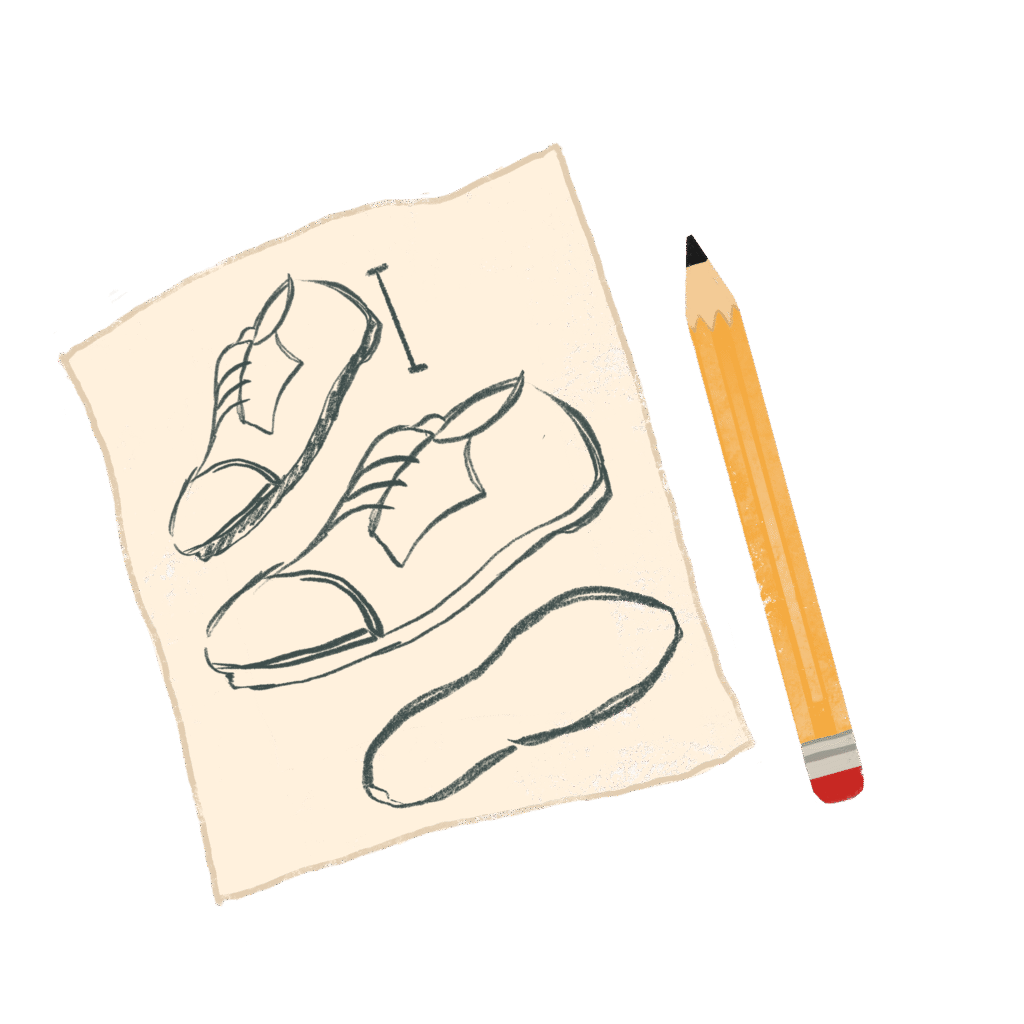
Designing the Footwear
Each shoe starts either as an idea or a rough sketch. Creating a shoe design determines the shoe’s purpose and overall appearance.
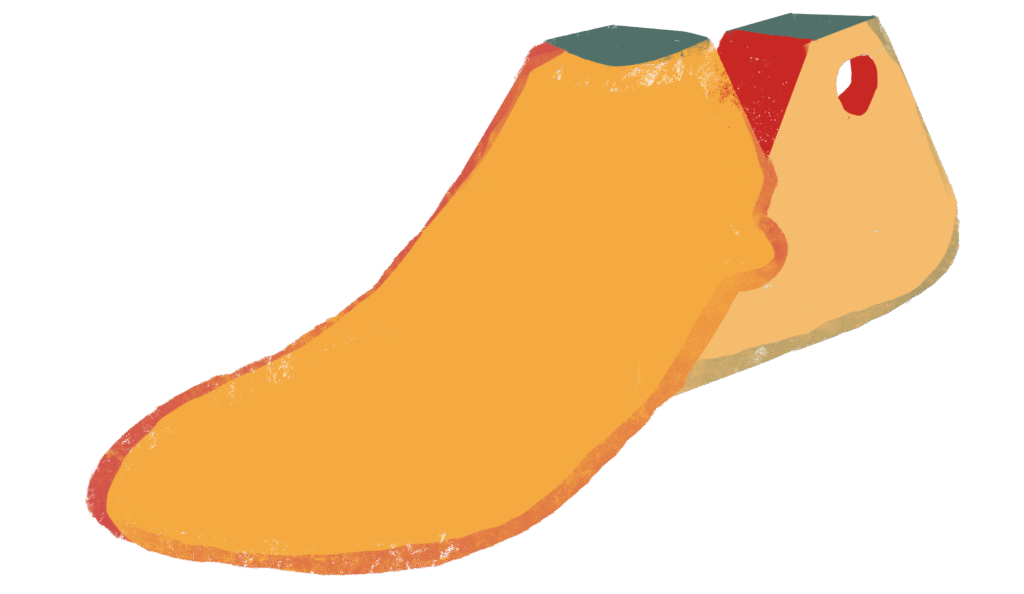
Development of the Hulmahan
Hulmaanor shoe last is an anatomically accurate foot model. it is the foundation of each shoe, wherein the shape, dimensions and proportions of the design will be determined. The shoe design then comes to life as the last maker takes note of the toe box, arch, instep, width and heel, making a more accurate design.
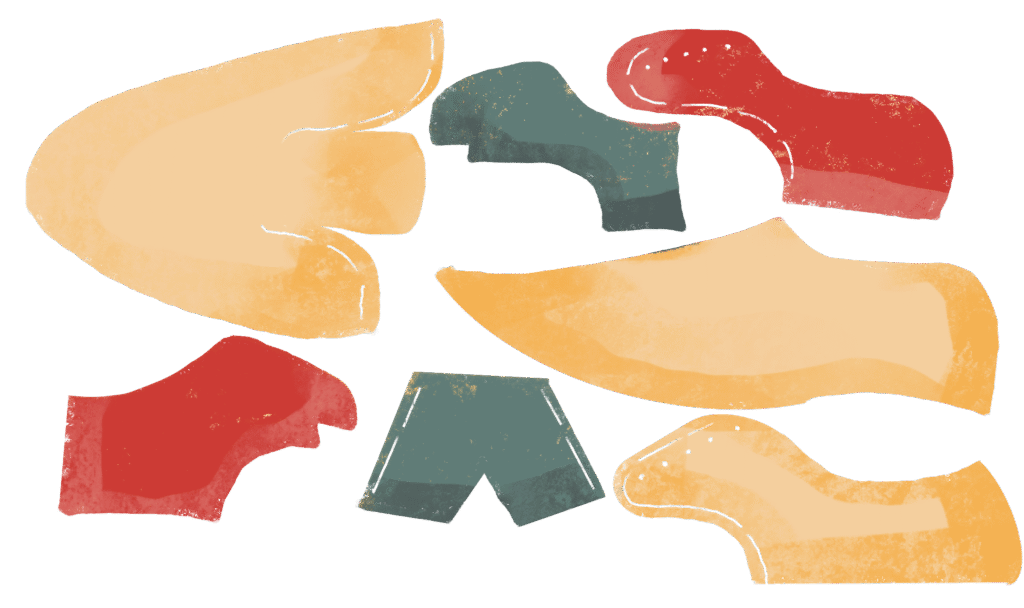
Creation of the Padron
After developing the shoe design more with the hulmahan, a shoe pattern, also known as the padron is finalized to scale the design for different shoe sizes. Once the shoe pattern is on paper, it will be transferred to a more durable material (e.g thick plastic, thin metal) in preparation for leather cutting.
Layouting and Clicking of the Leather
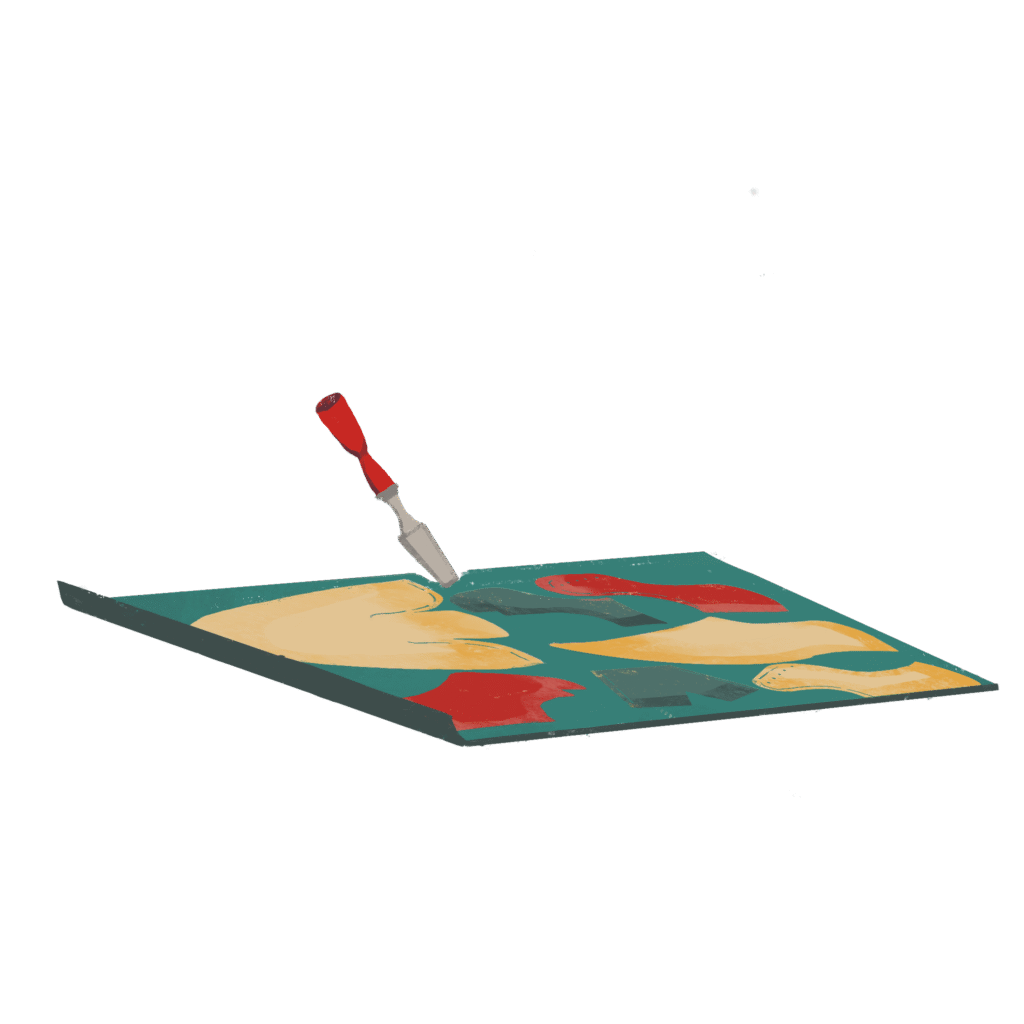
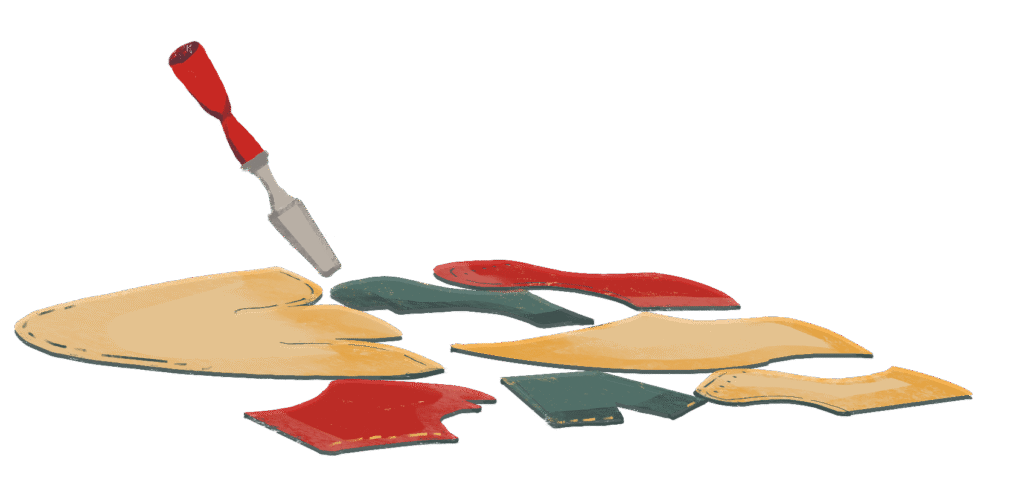
Clickingis a traditional term which also means cutting of the leather for upper assembly. Here, shoemakers use either a clicker blade, scissors or sharpened cutter blades. The cutter transfers the shoe pattern onto leather, tracing it and ensuring the leather is maximized.
Areglo – Upper Assemble
The cut leather is then be prepared for permanent stitching through skiving and adding details such as hand stitched elements. Skiving is the process in which excess leather is cut along the edges so areas that overlap won’t be thick. After decorative elements are added, the lining is cut, assembled, then given to the sewer.
Tahi and Closing
Once all the leather is cut and assembled, it is up to the sewer to stitch it together. Other than highlighting the design, the stitch strengthens and supports the seams of the shoe and gives the shoe its overall form.
Enya or Welting
A welt is the strip of leather that acts as a brace for the shoe, with enya being the local term for it. It goes around the bottom of the shoe upper (the part of the shoe that covers the foot) to secure it. In some traditional shoemaking techniques, the welt is sewn into the insole of the shoe before the outsole is attached.
Swelas
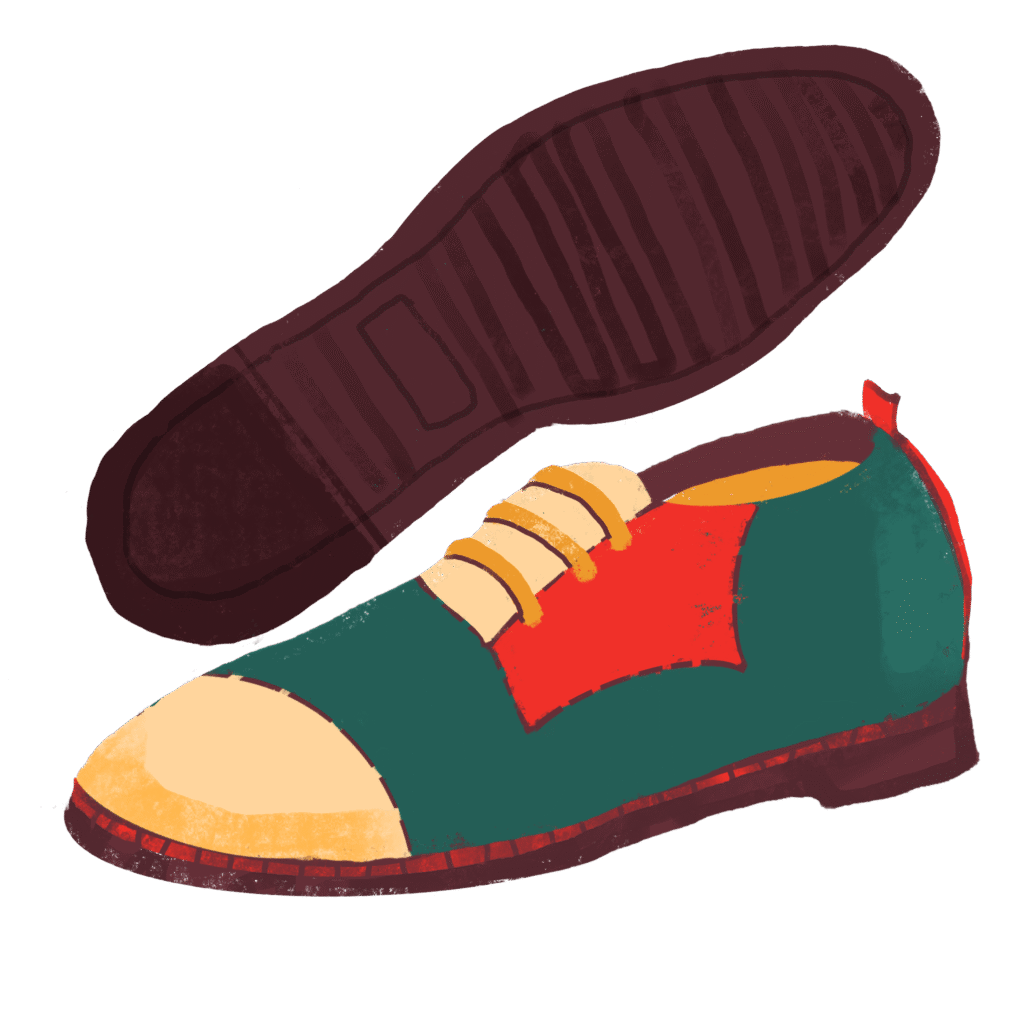
Before the outsole, there are midsoles or ‘pang gitna’, which are disregarded when manufacturing shoes at a lower cost. These give more support to the foot and are made of flexible material like cork.
What are swelas? the part of the shoe that comes in contact with the ground. These are usually made out of rubber or leather. In order to close the shoes, the outsoles are glued then handstitched. The sides are sanded to smoothen the material.
Finishing
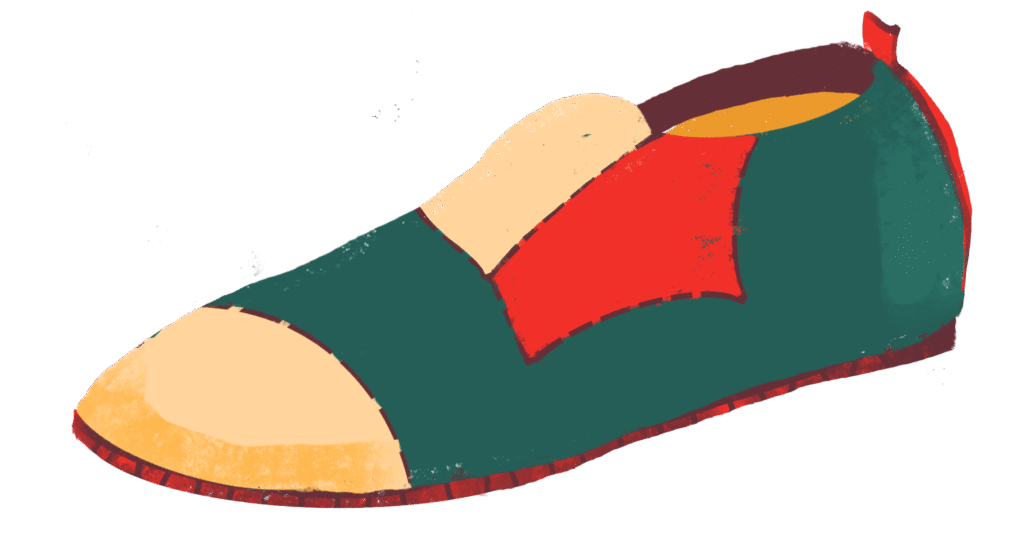
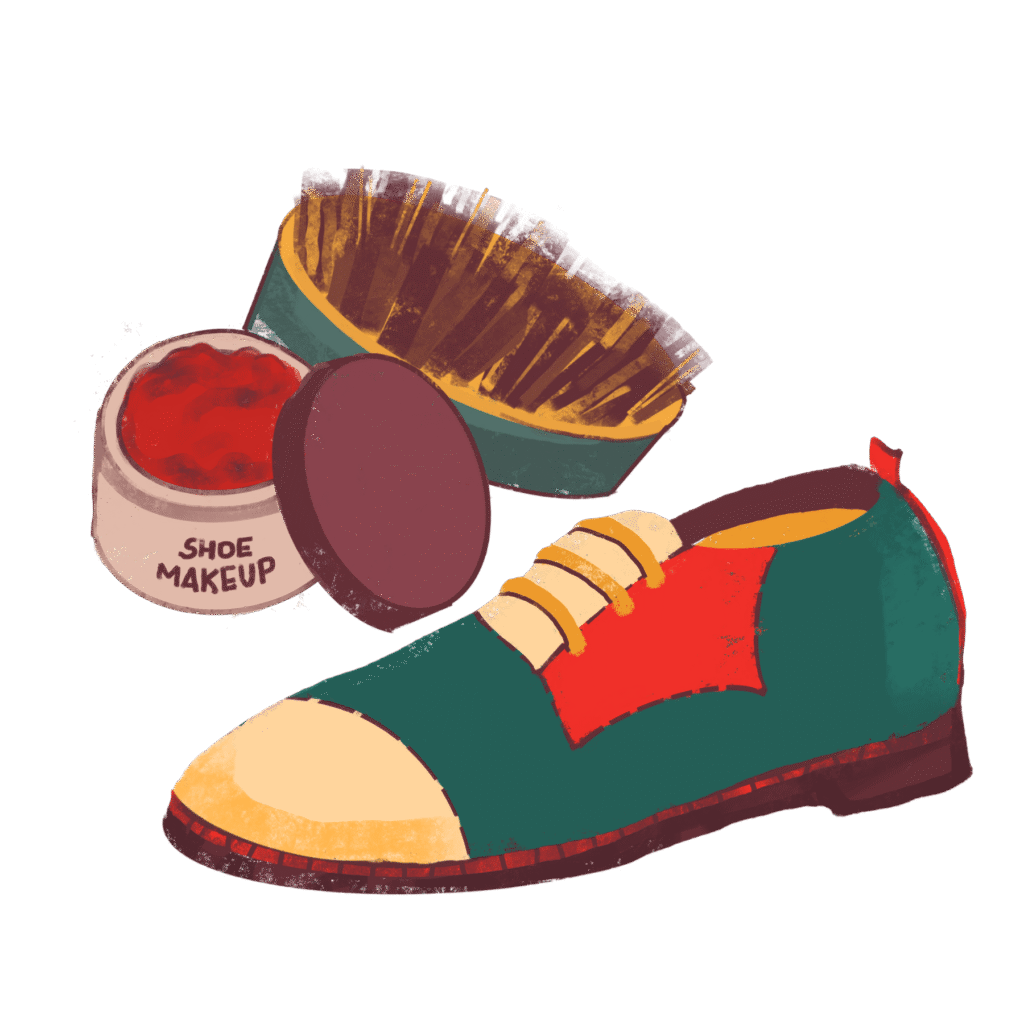
Before the shoes are boxed, they go under quality control: any frays, scratches and marks are cleaned. If needed, shoe makeup is applied before the shoe undergoes polishing and waxing.
READ: Marikina-made Shoes Made Your Way: Shoemaking Isn’t Just for the Sapateros