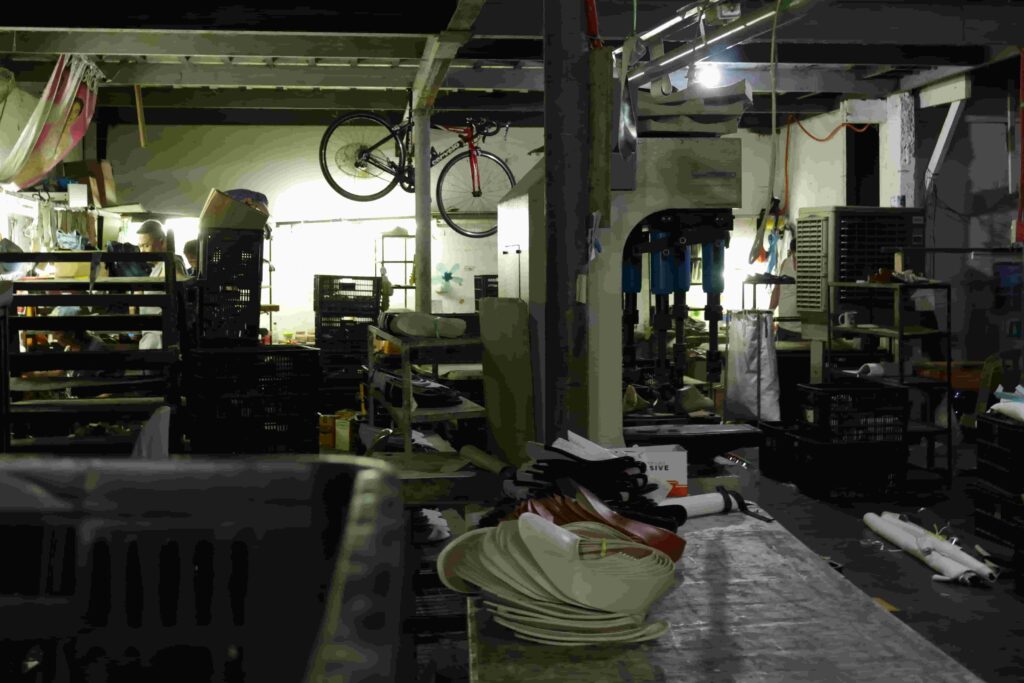
While many know Marikina for the shoes it produces, few have met the masters who craft them. This documentary steps into the workshops to share the lived experiences of our sapateros—honoring the hands, the history, and the quiet dedication that keeps this city’s heart beating.
READ: The Tired Hands Behind Iconic Shoes: Mariqueño Shoemakers and their Plight
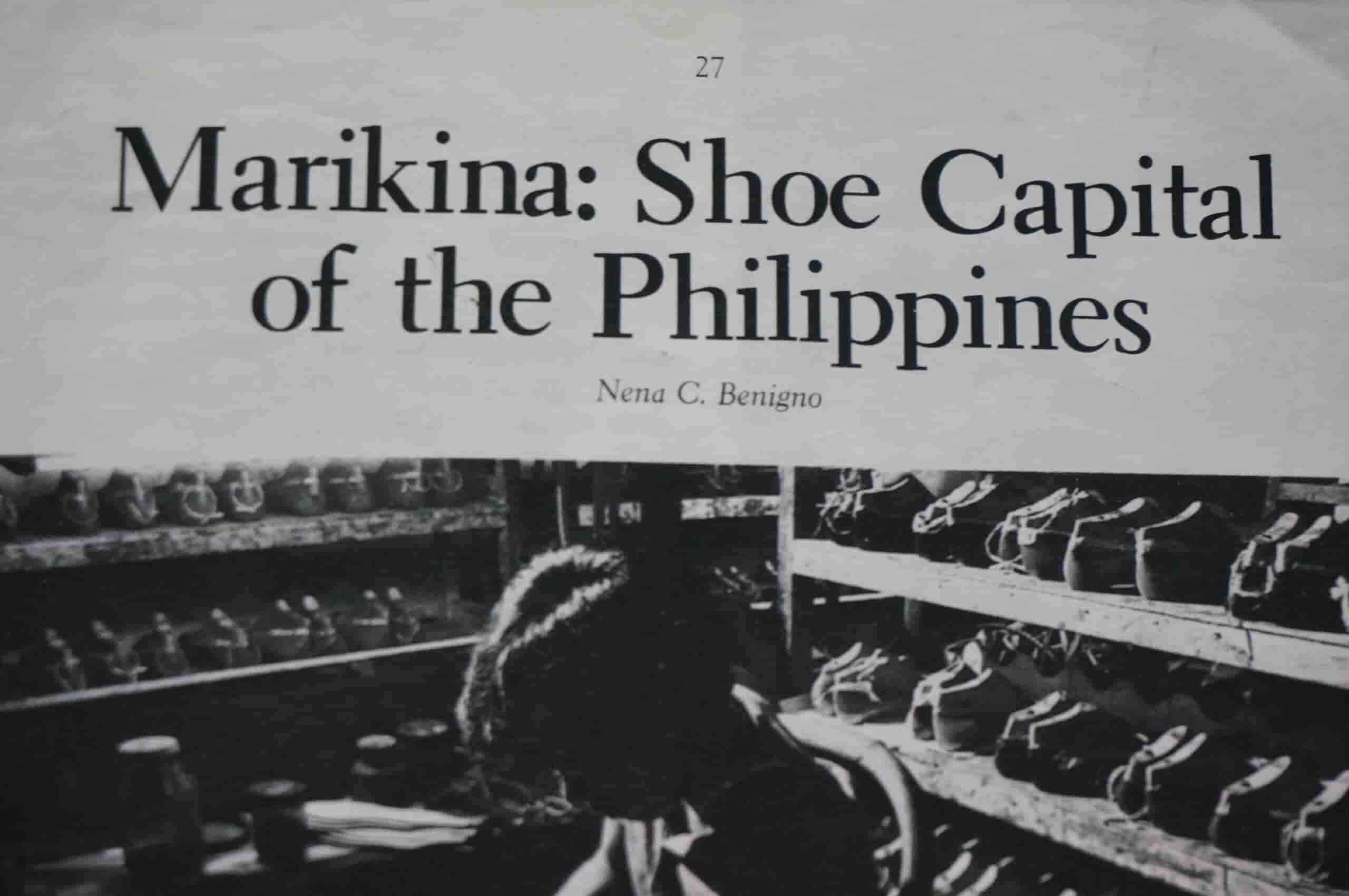
From its historic dawn to its modern revival, the Marikina shoe industry is a story of unmatched resilience. Follow the journey through its golden peaks and toughest trials to discover the enduring heart of sapateros.
THE DAWN OF SHOEMAKING
The Father of the Philippine Shoe Industry
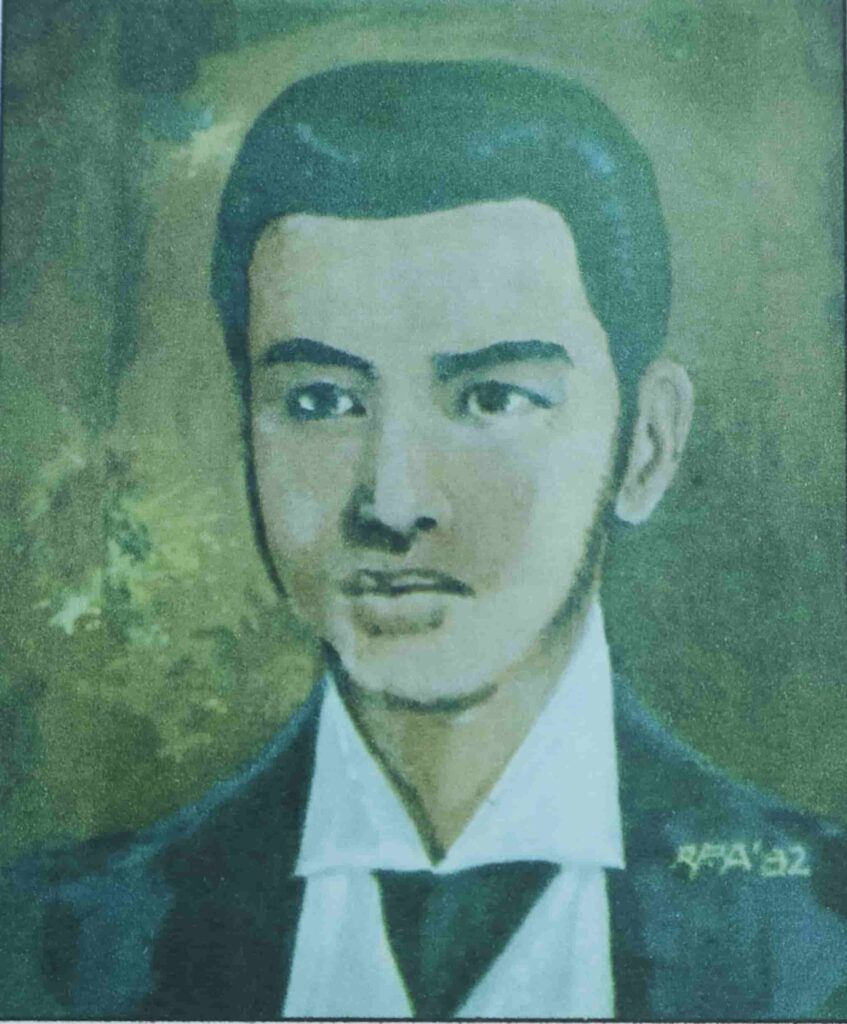
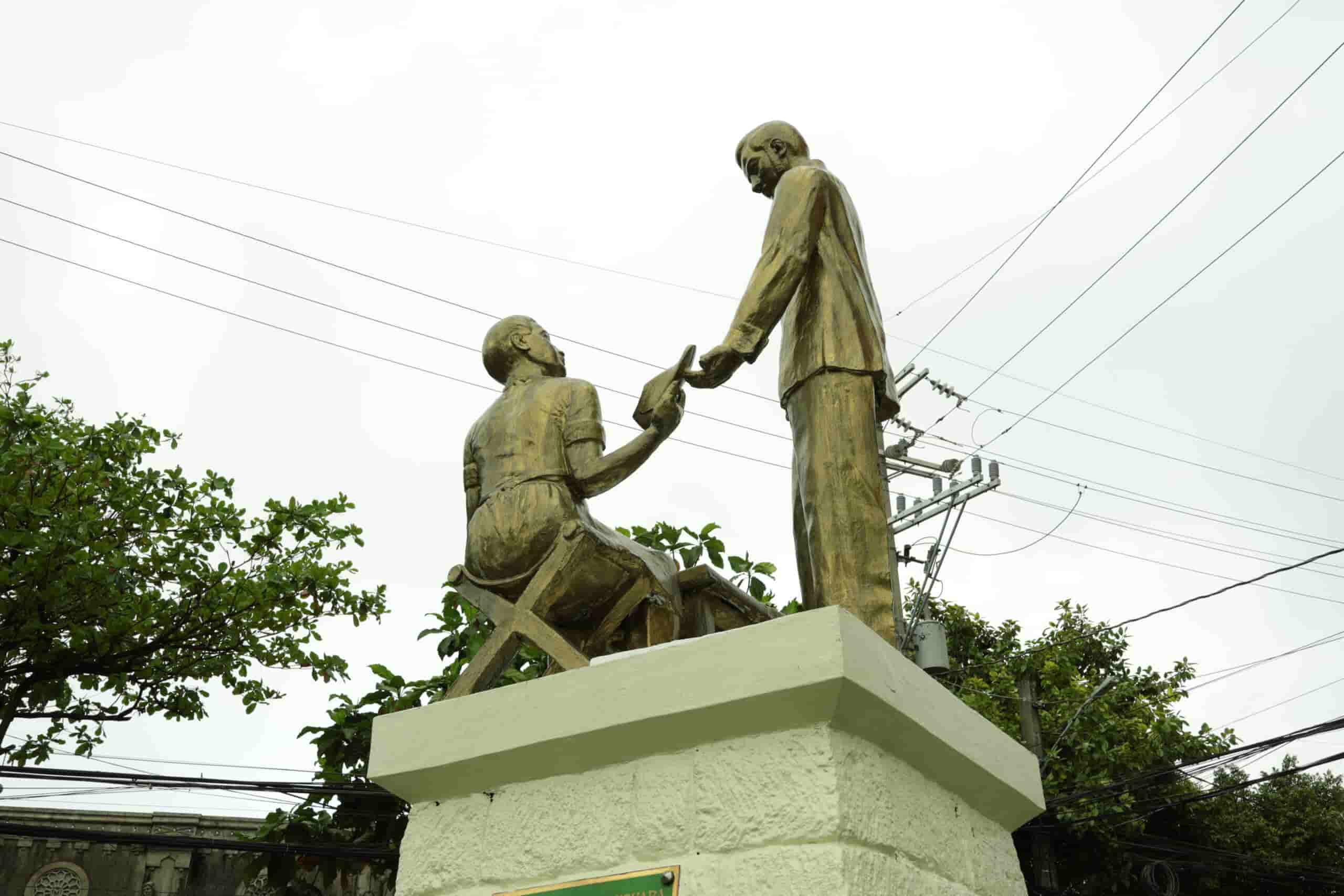
In 1887, the Marikina shoemaking industry officially began through the pioneering efforts of Don Laureano “Kapitan Moy” Guevarra, along with Tiburcio Eustaquio, Ambrocio Sta. Ines, and Gervacio Carlos. Kapitan Moy, the Capitan Municipal at the time, is considered the Father of the Philippine Shoe Industry.
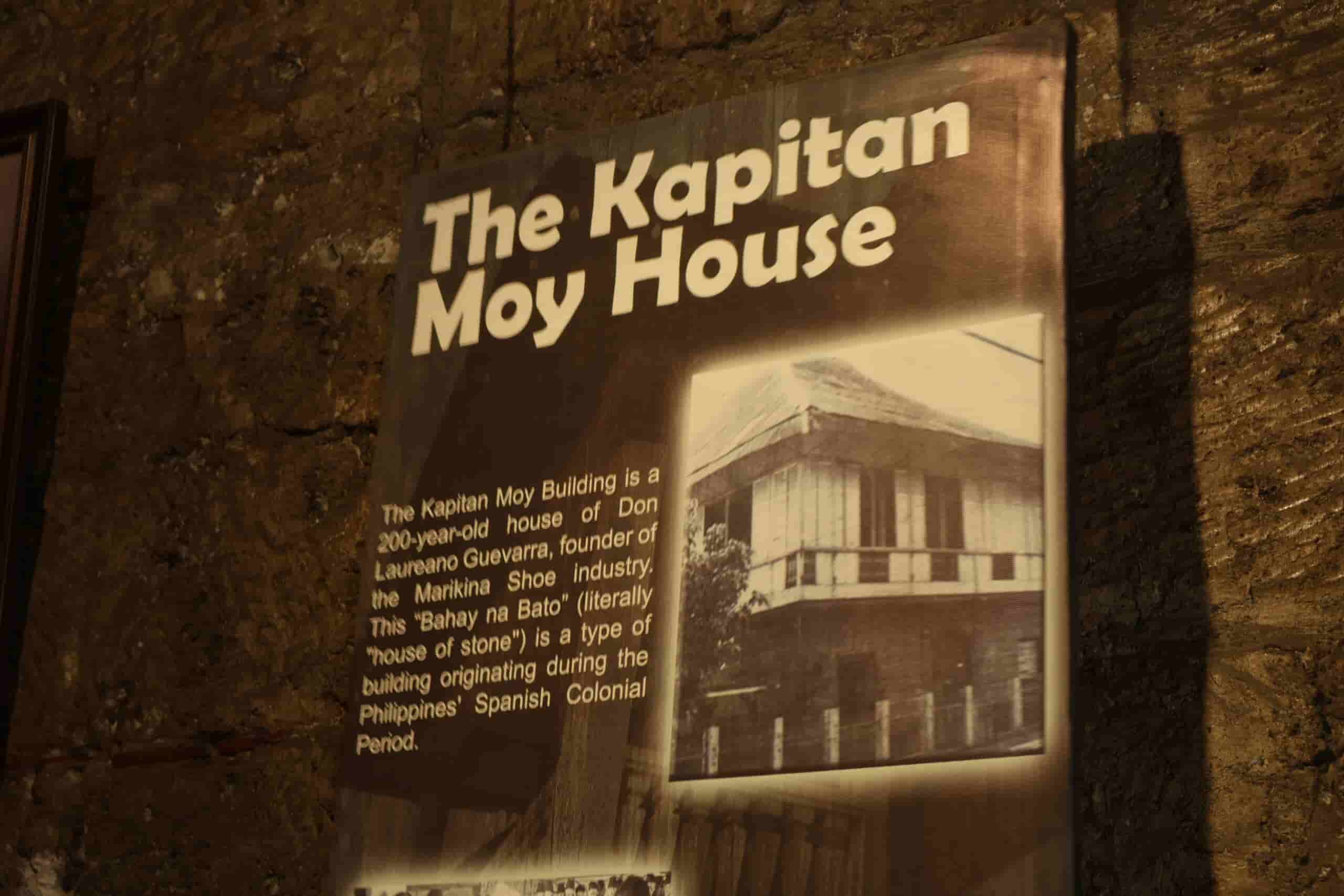
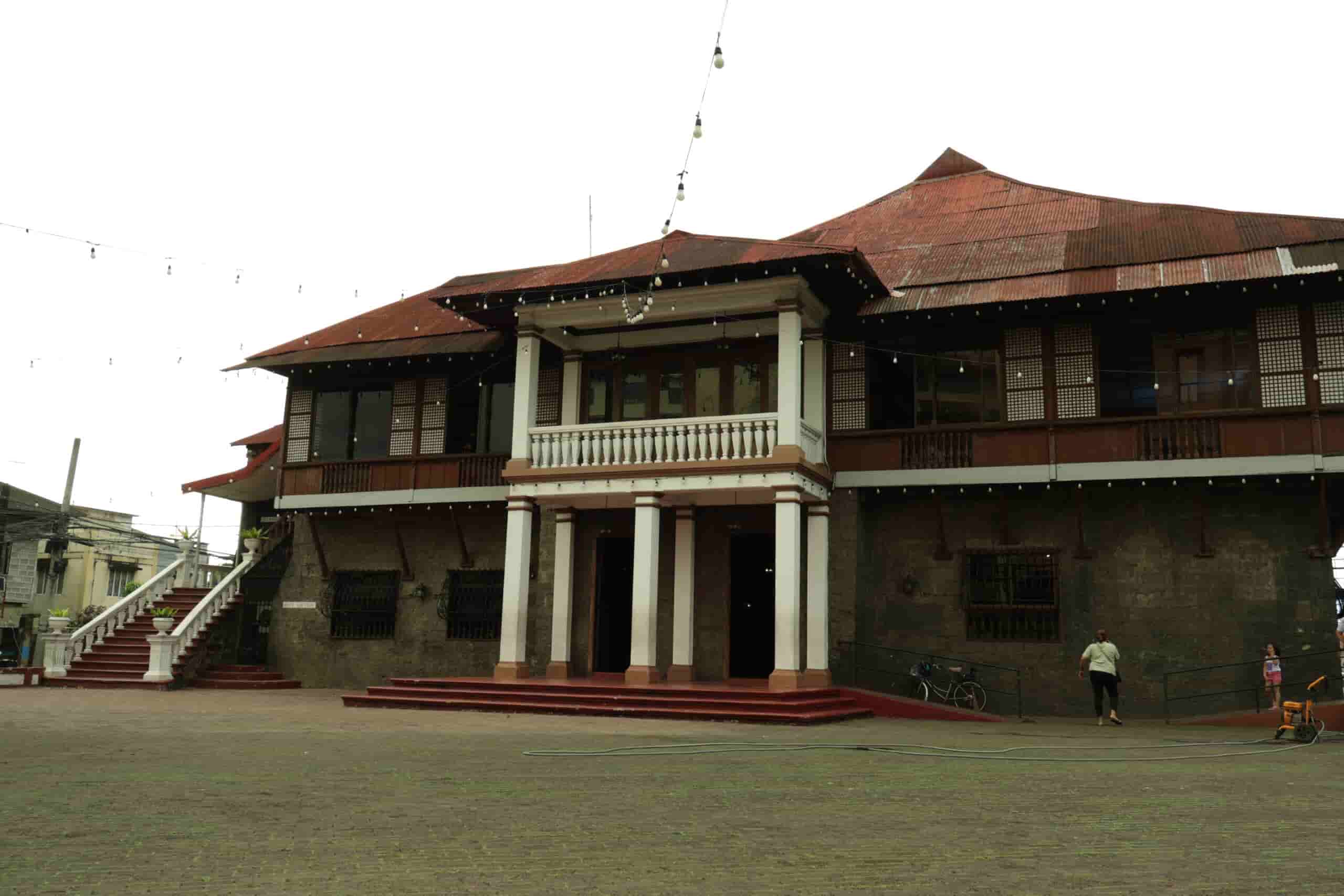
The Kapitan Moy residence, still standing at 200 years, can be found along J.P. Rizal St. It is also known as the Cultural Center of Marikina.The residence has gone through different owners. For a time it became the house of the American tribunal. It later served as the Japanese Army imperial quarters. Today, it is listed as a historic site—the location of the first shoe workshop in Marikina.
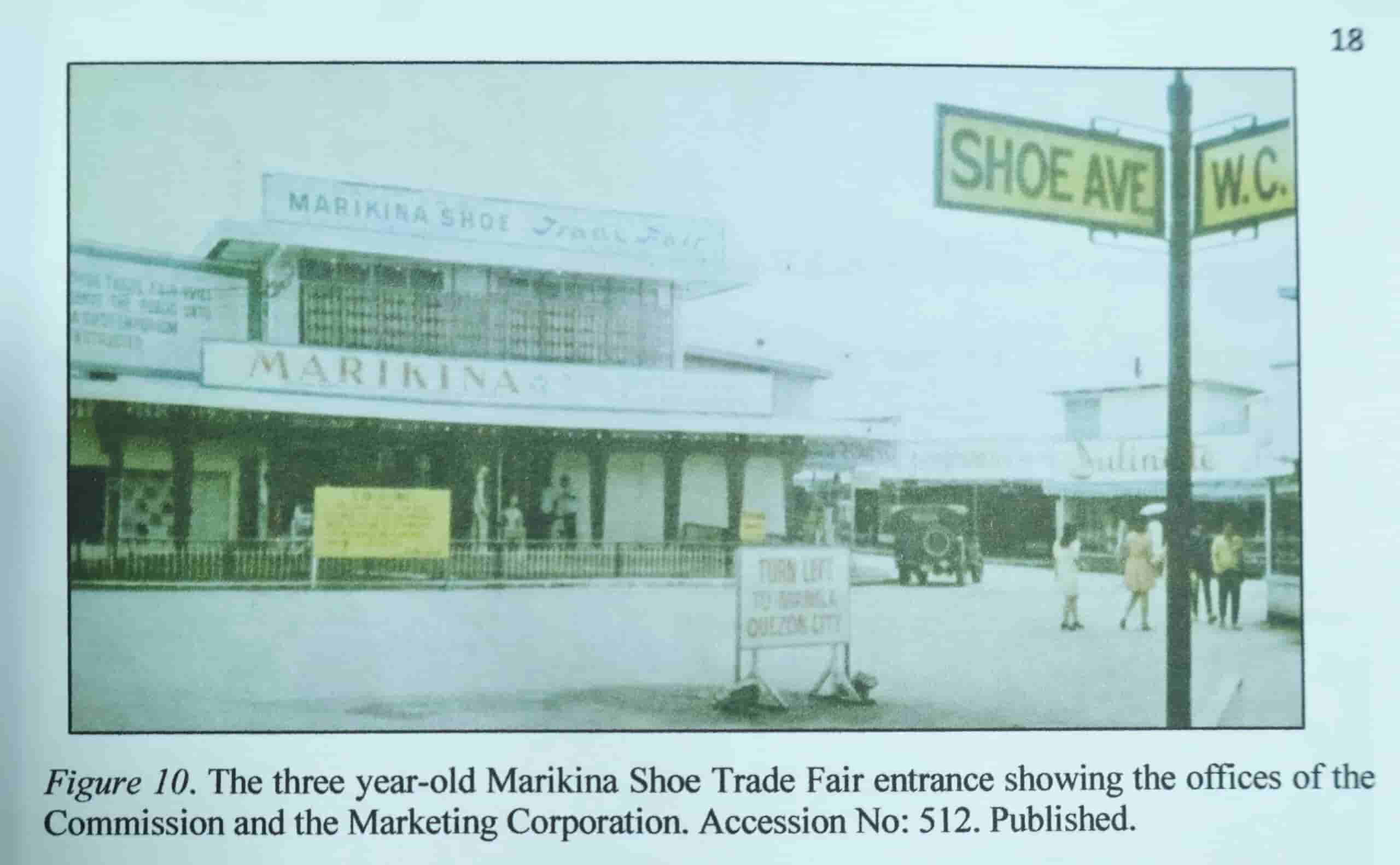
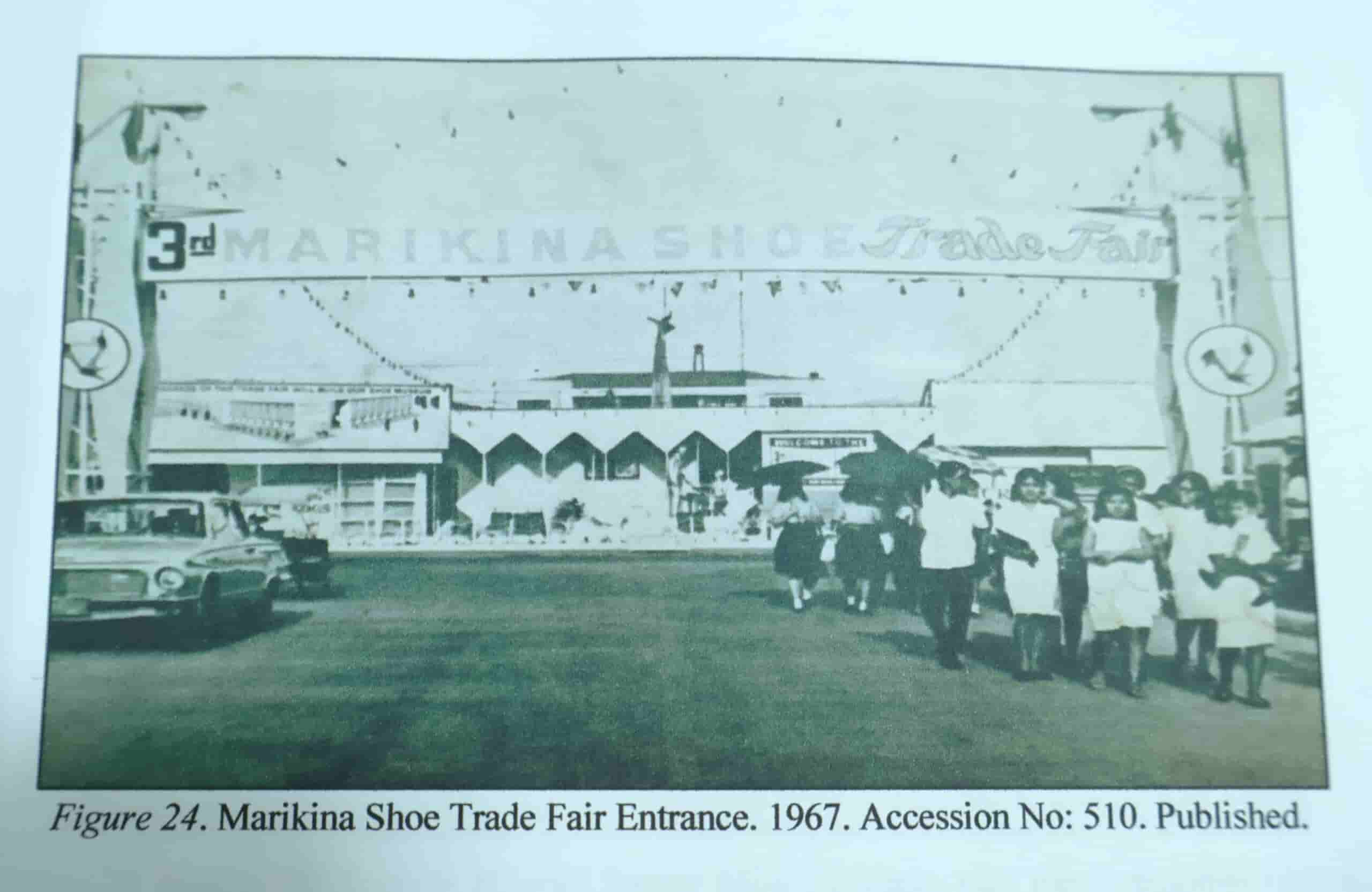
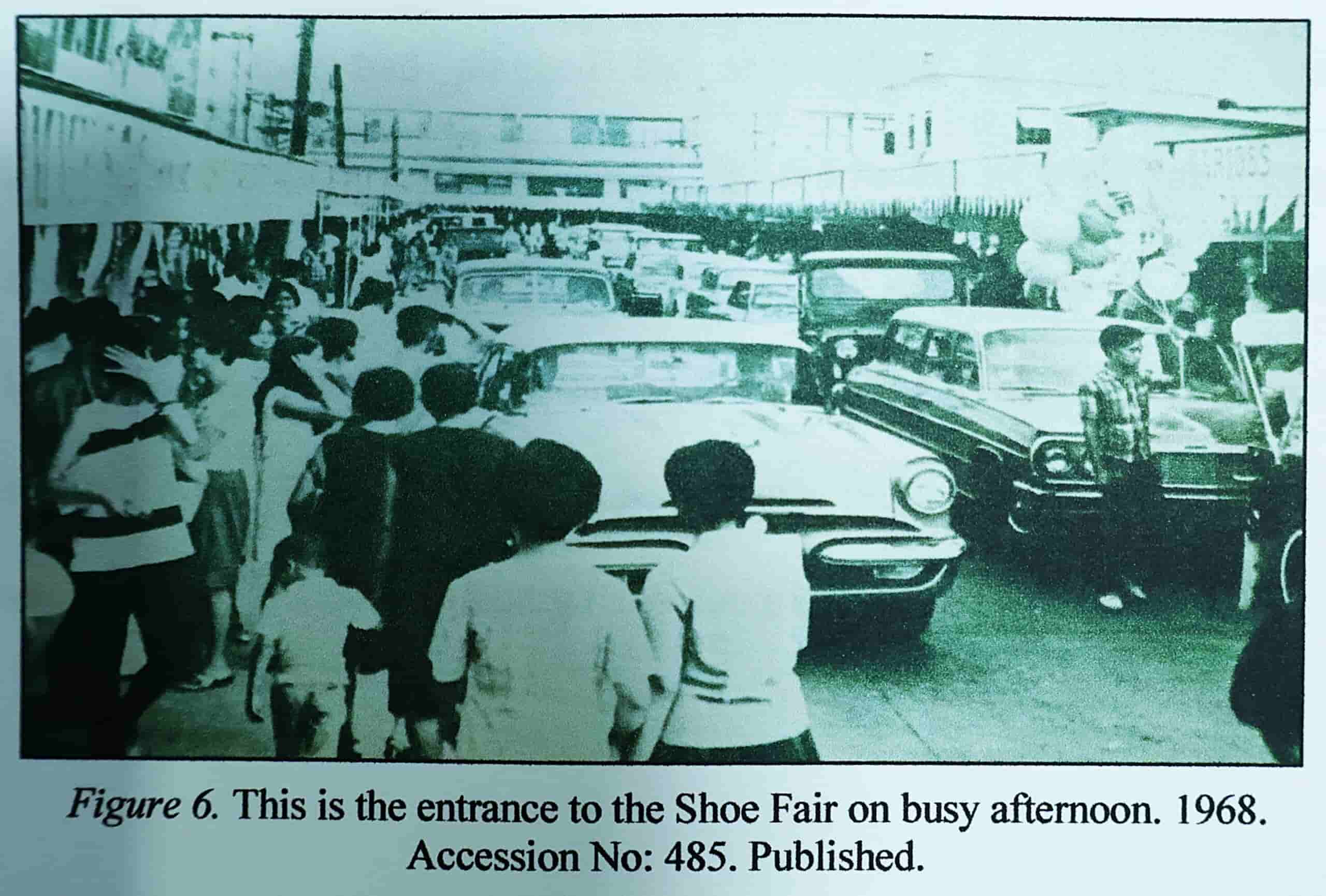
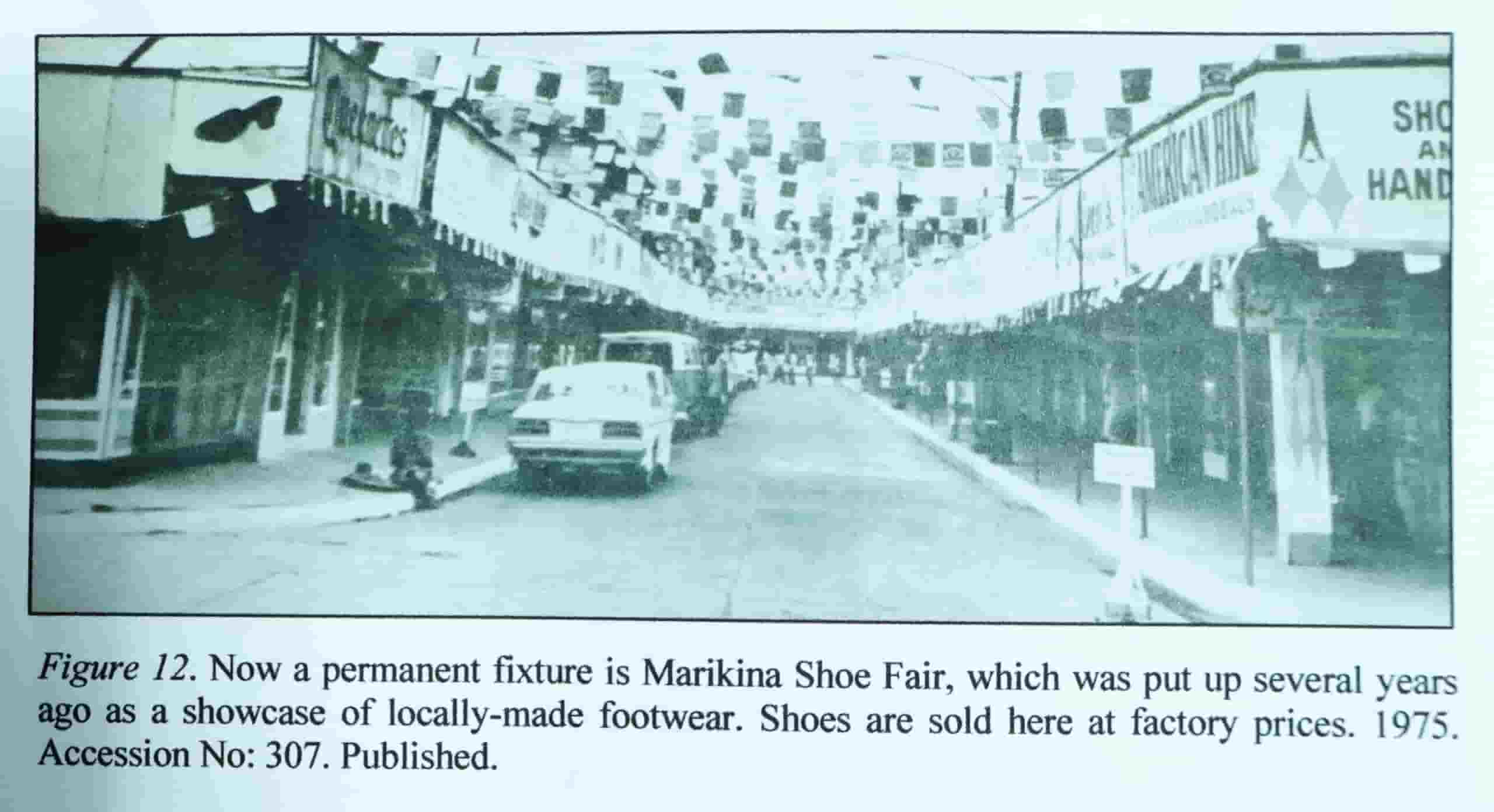
Through provincial trade fairs and factory-price sales, Marikina expanded its reach across the nation. The establishment of the Marikina Shoe Trade Commission (MSTC) empowered local makers by providing financial subsidies and bank access, successfully breaking the hold of syndicates and setting the stage for the industry’s golden era.
THE PEAKS
The Golden Age of Shoe Making
The 1970s and the early 80s were the industry’s zenith, with nearly 2,000 registered firms benefiting from protective tariffs, allowing them to dominate the local market.
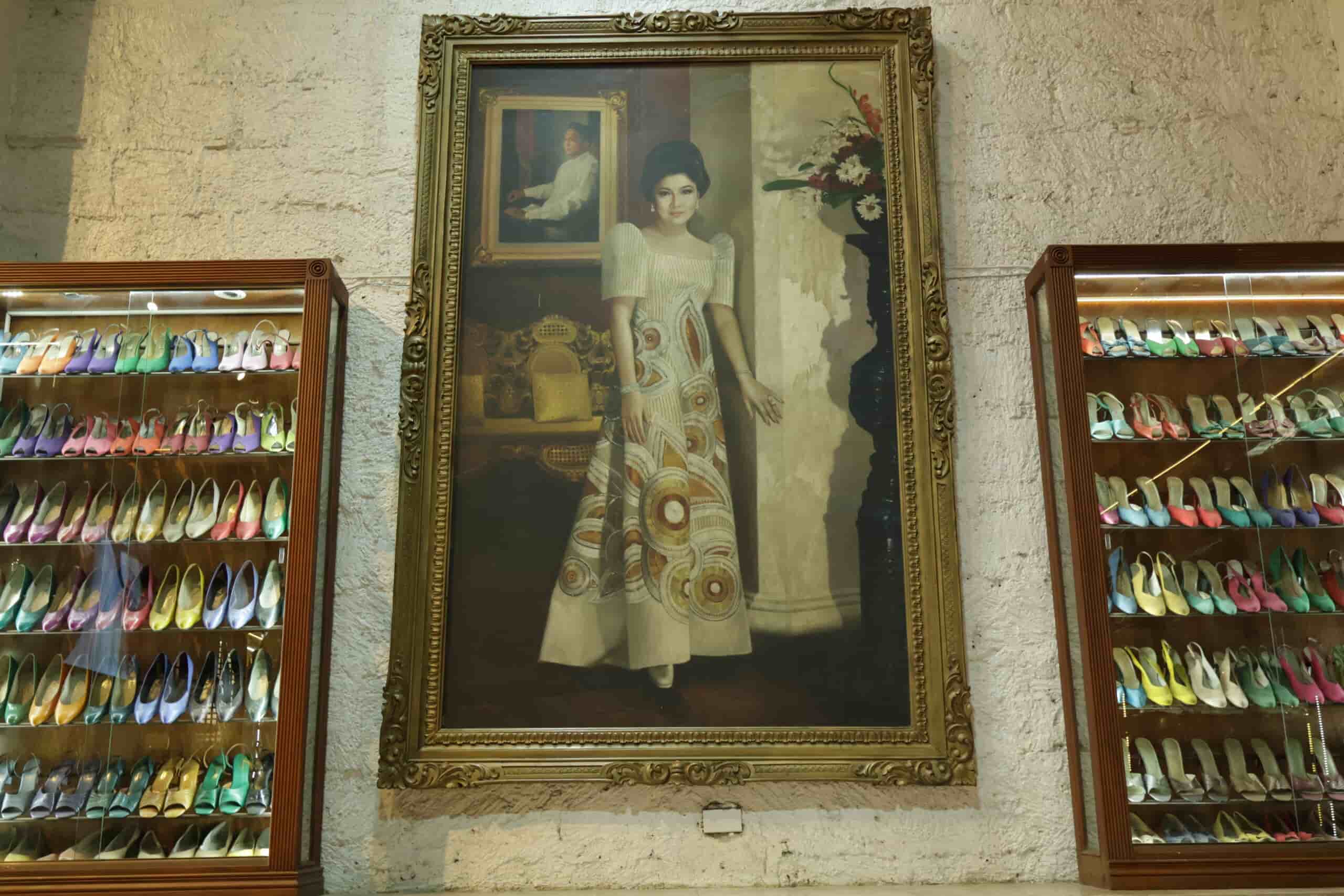
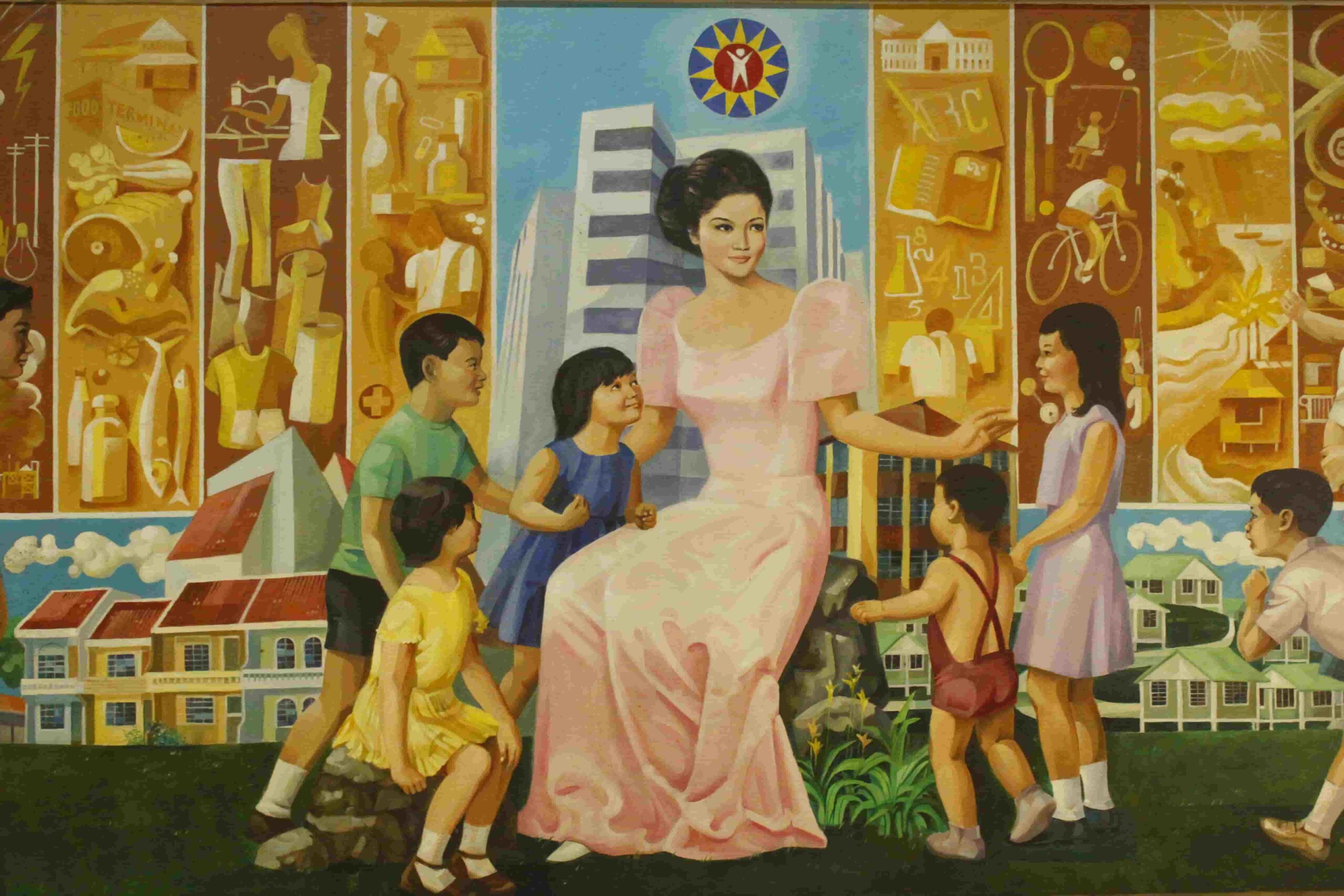
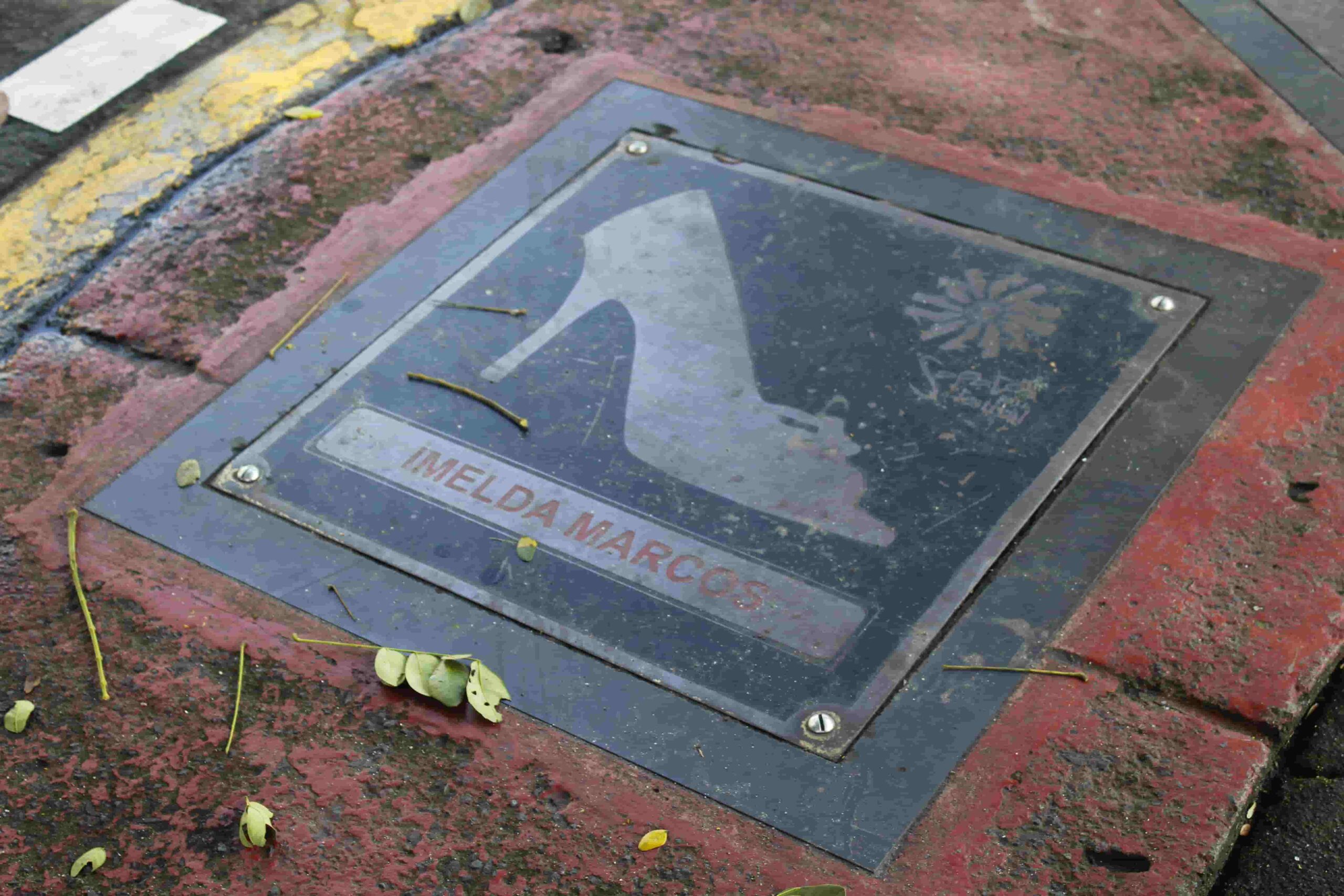
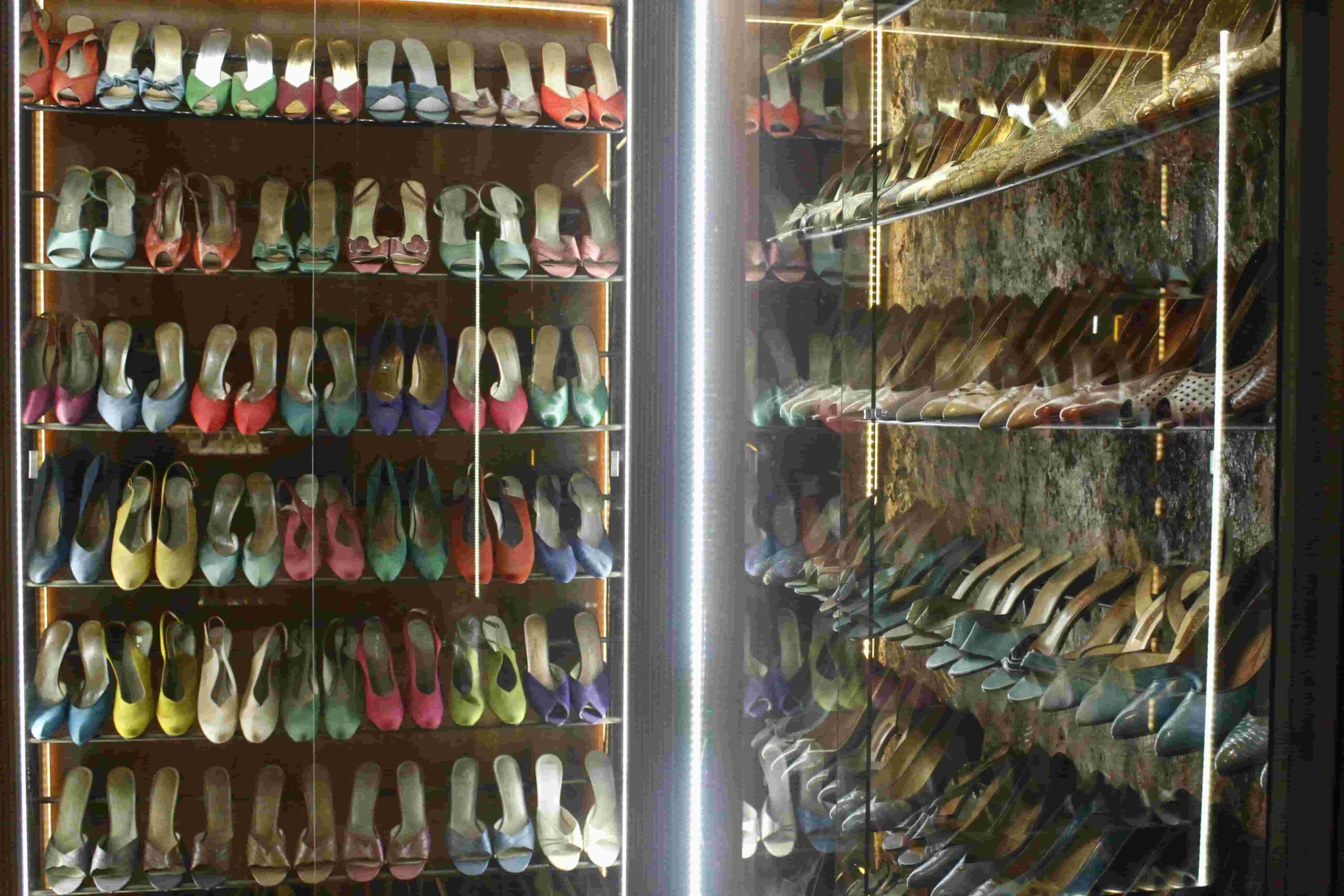
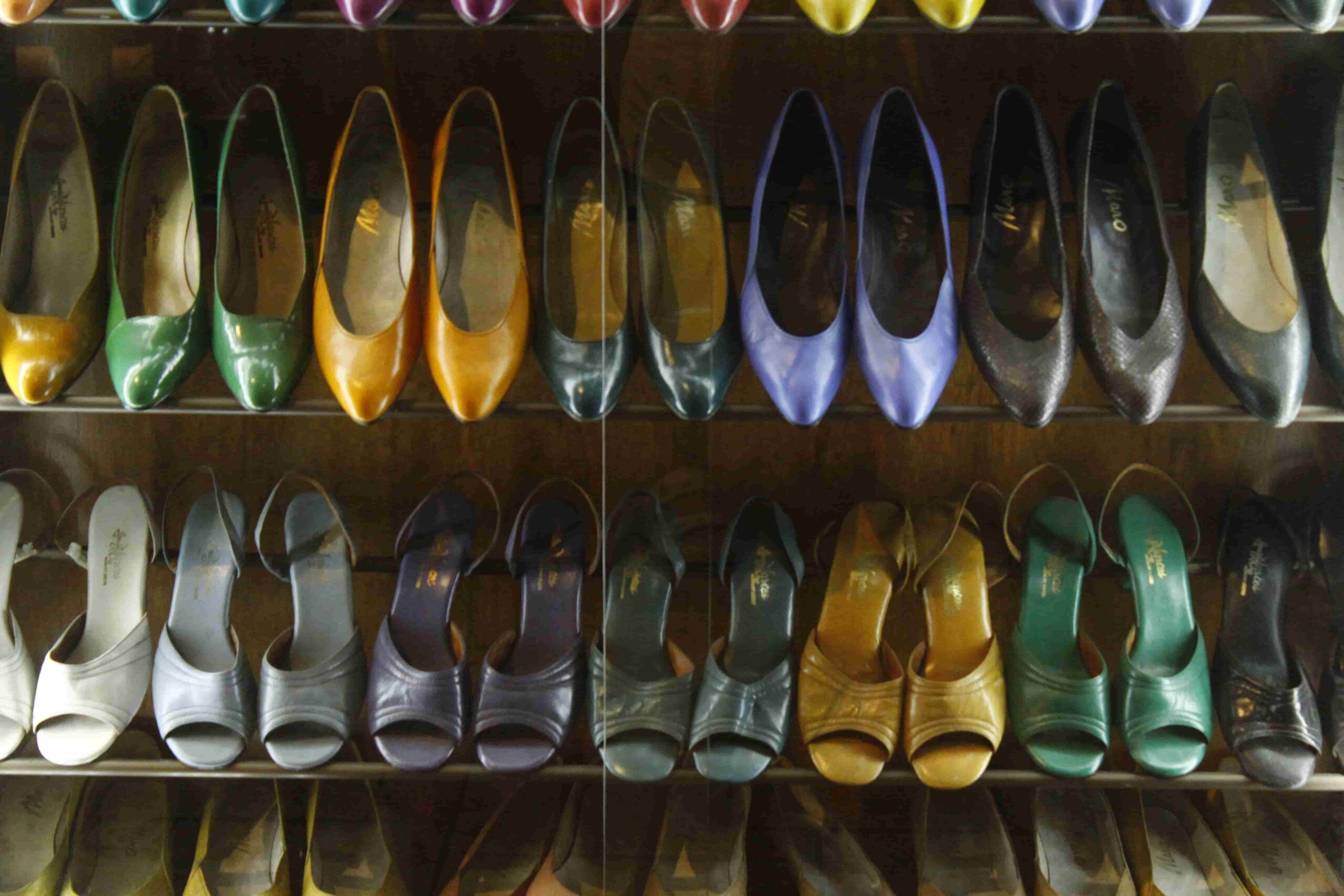
Former First Lady Imelda Marcos was known for wearing Marikina-made shoes. Her patronage brought national recognition to Marikina’s local artisans and quality, though the actual scope of her legendary collection was a source of great political controversy after the 1986 EDSA Revolution.
THE CHALLENGES
What the Industry Faced
The industry faced a significant turning point with the General Agreement on Tariffs and Trade (GATT). By lowering international trade barriers, this agreement opened the local market to global competition, marking the start of a demanding new era for Marikina’s traditional workshops.
The local industry was tested by the influx of cheap imported substitutes, particularly from China, which quickly displaced Marikina products in department stores.
The decade saw difficulties brought by limited trade liberalization, which began to expose local producers to foreign competition.
REVIVAL EFFORTS
And How it is Today
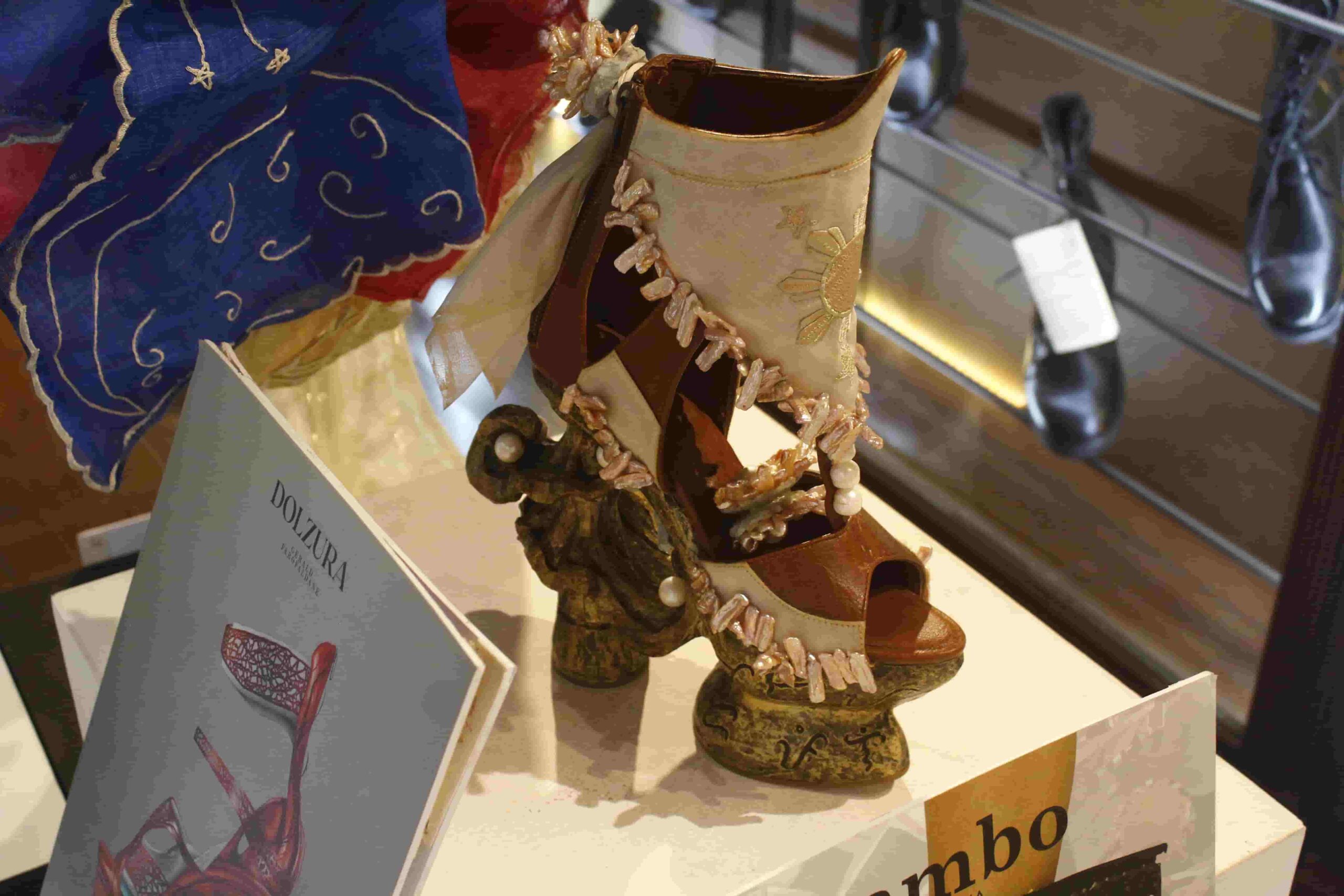
To face the rise of mass-produced imports, the local government established the Marikina Shoe Industry Development Office (MASIDO). This shifted the focus from quantity to the quality of local craftsmanship. By supporting new designers and businesses, the city is helping the industry grow through modern designs while keeping its traditional techniques alive.
NOTABLE EVENTS
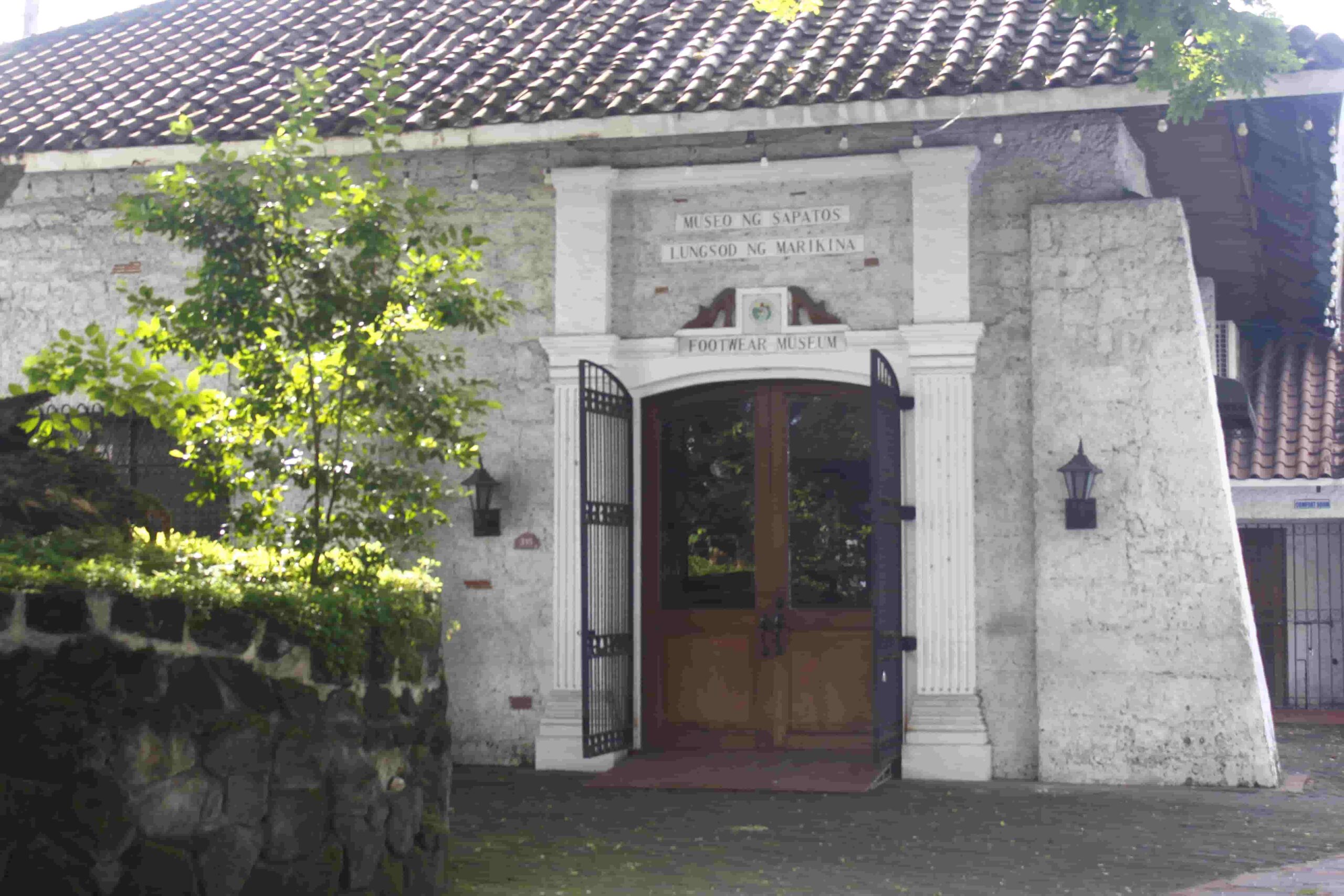
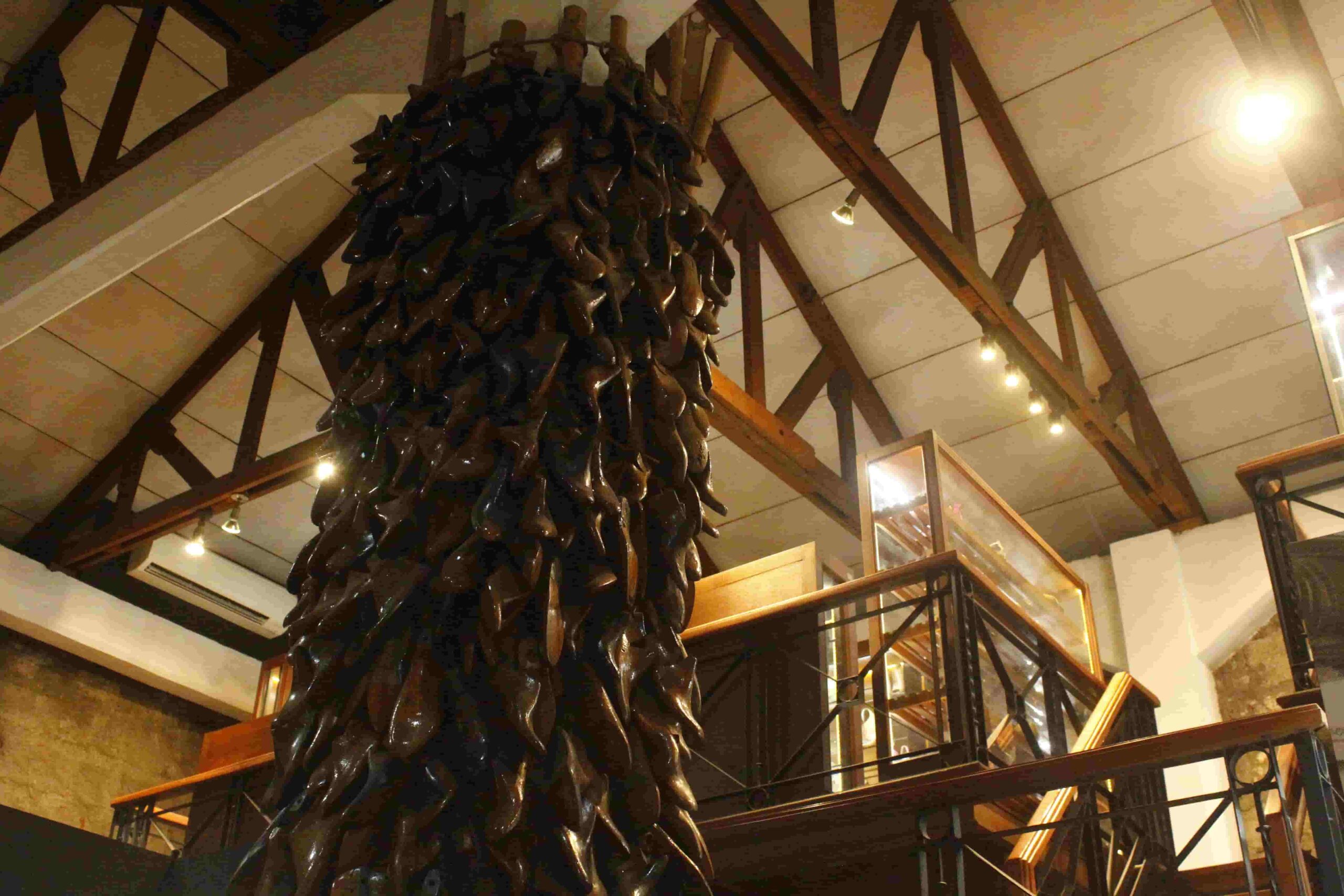
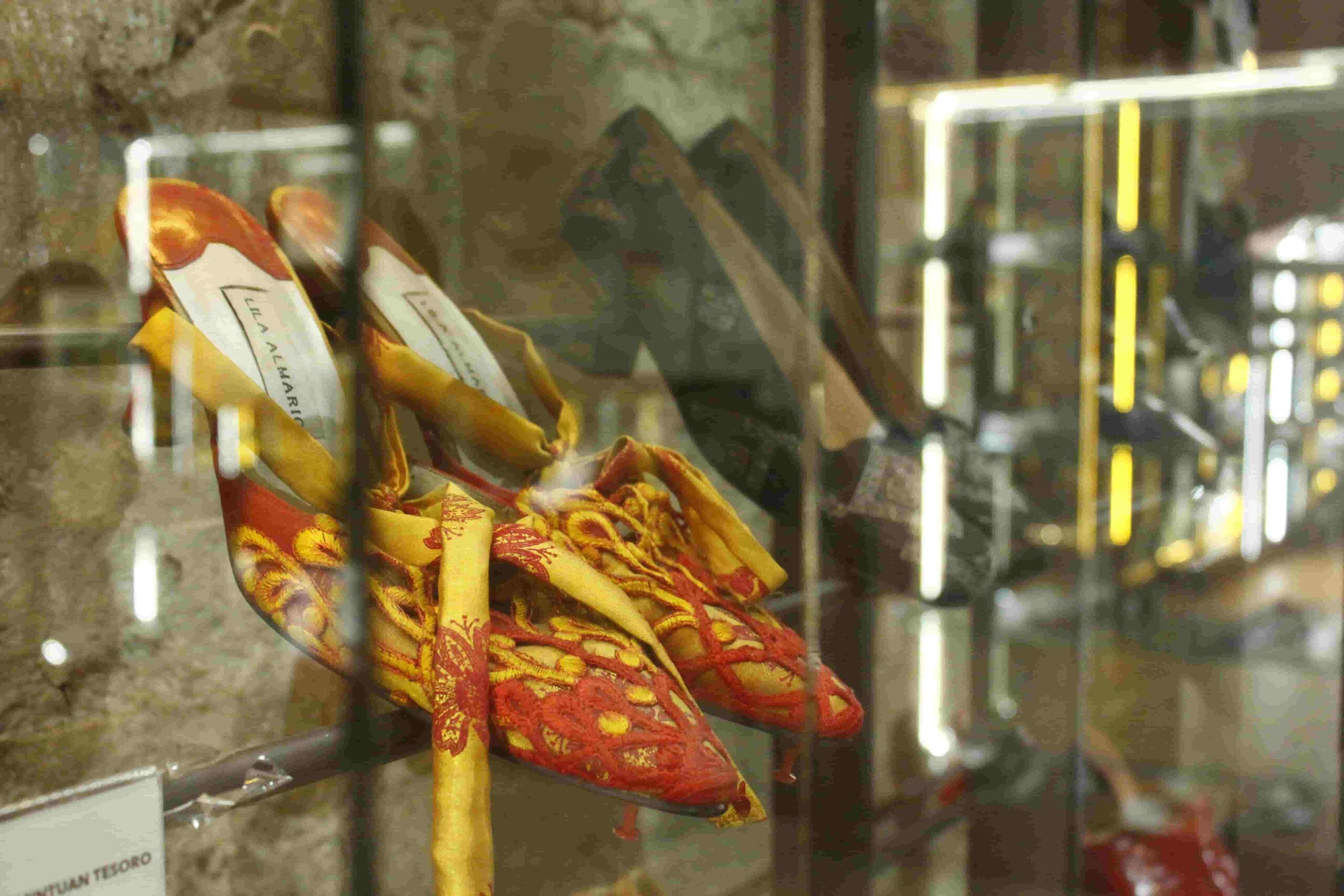
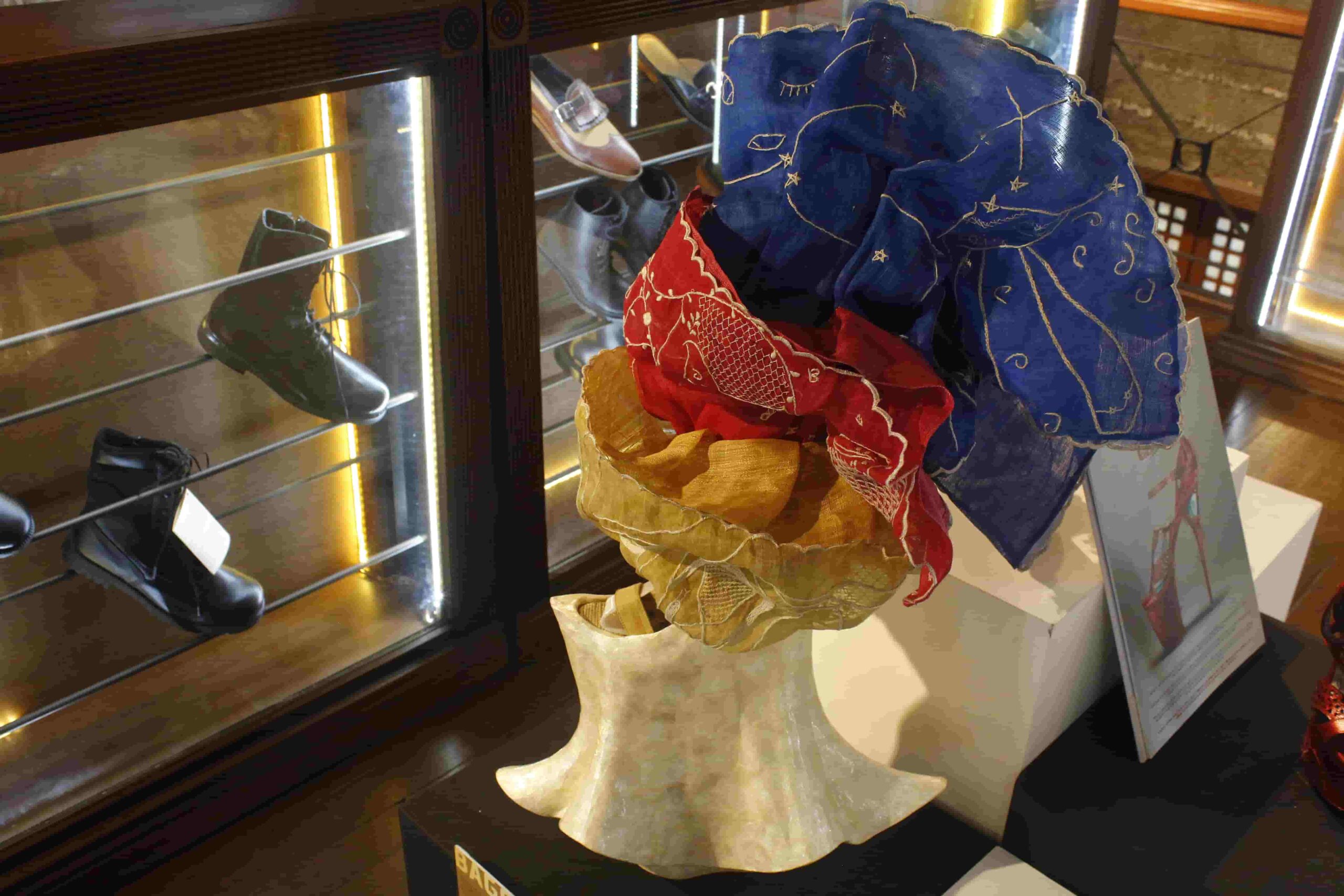
In 2001, The Marikina Shoe Museum opened along J.P. Rizal Street, housing the famous Imelda Marcos’ shoe collection near the Kapitan Moy residence.
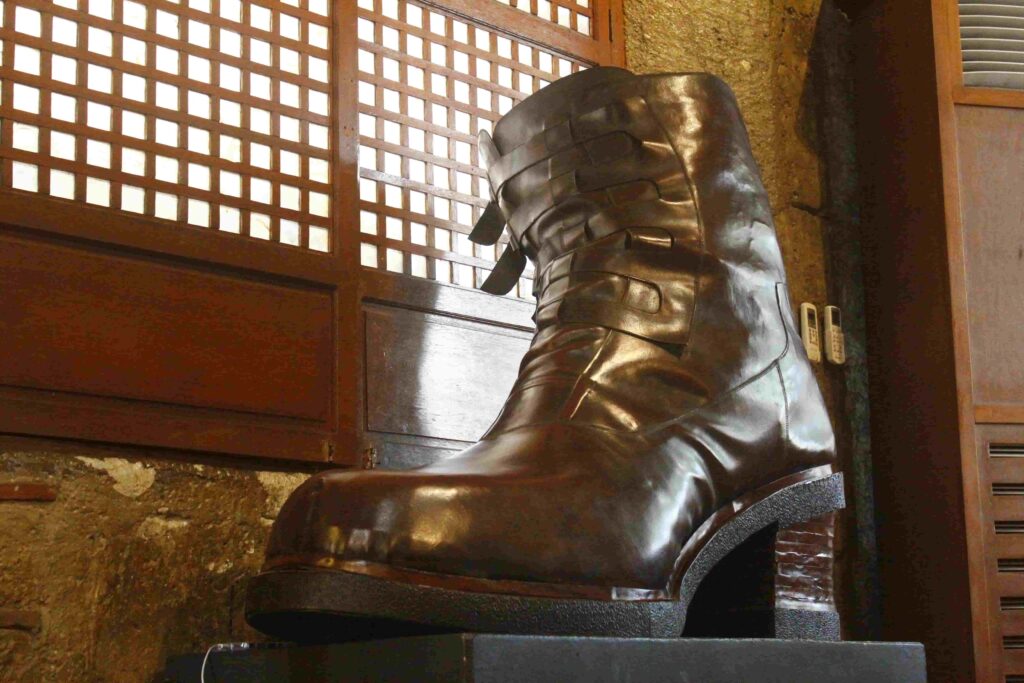
In 2002, the city earned a Guinness World Record for the world’s largest leather shoe—built by a nine-man team over 77 days. Though the original record-breaking pair was later surpassed and damaged, a giant leather boot remains on display at the museum as a tribute to the feat.
SHARE YOUR THOUGHTS
Looking at the timeline, what single event do you feel most defined the industry’s direction?
READ: Tracing Back the Footsteps of the Marikina Shoe Industry's Rise and Fall