
Marikina-made Shoes Made Your Way: Shoemaking isn’t Just for the Sapateros
Learning the process of shoemaking has never been this accessible with the rise of workshops
WRITTEN BY WILLIANE TOBIAS
Share this article!
For the regular consumer, Marikina-made shoes remain a product, a commodity one purchases for its durability and quality. One does not see the laborious process behind a single shoe, they only see the end product. You don’t have to be a shoemaker however, to appreciate and do the work that goes into a quality pair of shoes.
While shoemaking is being taught in various Marikina schools and shoe factories, learning the craft isn’t just for Mariqueños–with these shoemaking workshops, it’s open for everyone of all ages, no matter where you’re from.
Walking through the youth’s preferences
In a series of interviews with youths, most of them students, we asked what shoe styles they would prefer. Most would prefer function over form “I like shoes that are comfortable and if possible reduce risk of injury” Jan said, as it relates to his course within engineering. For Hannah, she preferred a balance of both everyday wear and designer shoes: “So I feel like leaning towards the basics, and also having a branch that looks into very unique designs, is a good bet.”
“I prefer not a lot of colors. Mostly solid colors. Like basics,” Celina noted, but also mentioned a specific style “I like the bulky shoes. Bulky and also kind of old-fashioned.” Some interviewees preferred rubber shoes, while some preferred flats. It’s all a matter of personal taste and self-expression for the youth.
Despite leaning towards simple designs, when asked about shoe customization, there was an interest and openness to the idea amongst most of the interviewees. “I prefer making my own things. Sometimes, I also prefer buying or commissioning personalized stuff,” Celina said, then adding “I have a lot of styles in mind that I want to buy. But oftentimes, they don’t really exist. If there’s an option for me to personalize shoes, then that would be fun.” This is the case for some consumers: the specific shoe styles they want aren’t always offered.
Even if the customization of shoes sounds promising, it can seem like a daunting task for those who don’t know where to start, to quote Jan: “As for shoes, I’ve always wanted to try designing my own shoes but I’m always too scared to “sacrifice” my shoes to see if my experimentation is good.”
The process of shoemaking may seem intimidating at first, especially for those who have zero experience. Luckily, there are a number of shoemaking workshops hosted in Marikina which cater to your age group or shoemaking knowledge. Beside shoe customization and made-to-order shoe designs which are available online, the youth can engage in the craft of shoemaking itself.
Immersing in the shoemaking process
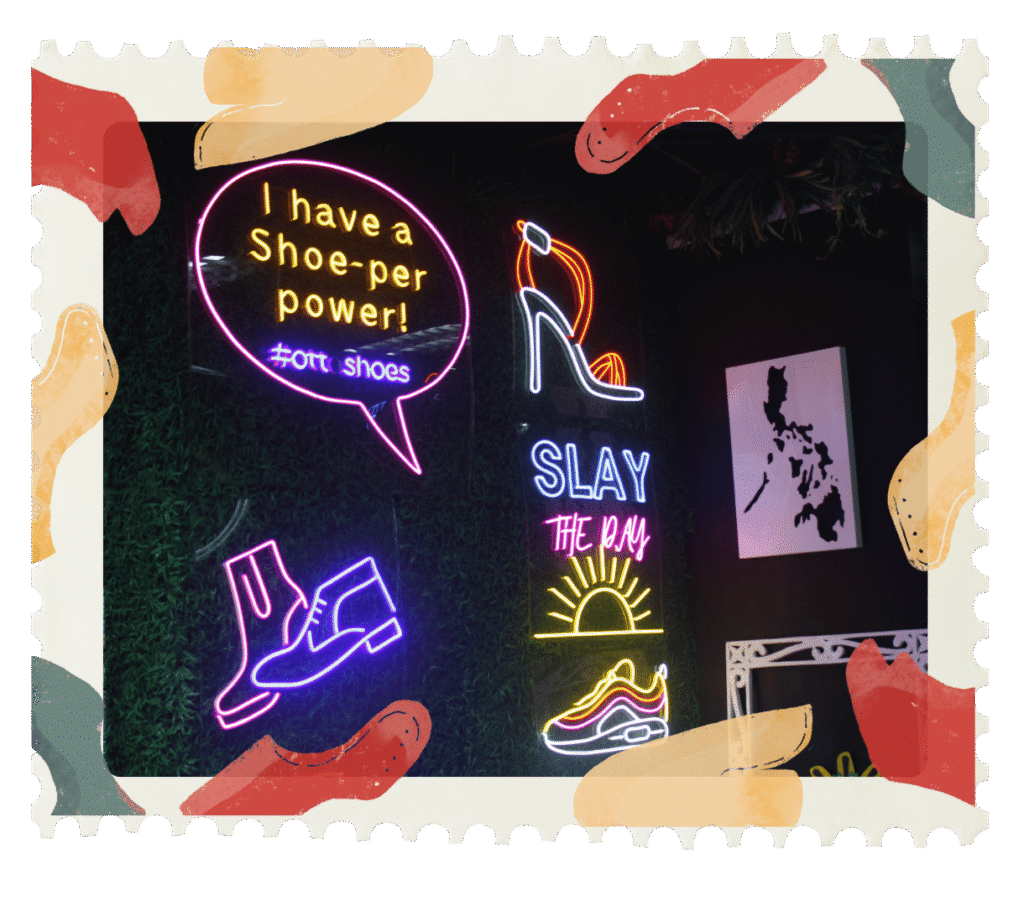
Otto Shoes, a well-known brand, offers both shoemaking and leathermaking workshops based on appointment. Their “Munting Sapatero” workshops are specially designed for kids, and at the end of each session, children get to finish a pair of slippers or shoes. Parents may also order ready-made shoemaking craft kits so children can learn shoemaking at the comfort of their own home.
Workshops by Tal, run by entrepreneur and shoe designer Tal de Guzman-Skinker, have different workshop levels catering to the attendee’s skill level. There are beginner workshops which focus on creating sandals, before levelling up to making shoes such as Mary Janes and high heels. Workshops based on the shoe type are also available, in case you’re interested in creating flats or boots, among others. No matter the age or skill level, there’s a shoemaking workshop that’s ready to accommodate you.
While the youth can read about the industry, it’s still a different experience going through the labor intensive process of shoemaking. It gives a deeper understanding and appreciation for what Mariqueño shoemakers do for a living. It’s that very process that gives Marikina-made shoes its durability and quality.
One doesn’t have to be Mariqueño to continue the tradition and craftsmanship of Marikina-made shoes. The craft lives on with shoemaking workshops, it no longer has to rely on being passed down from generation to generation–these workshops open opportunities to anyone who’s willing to learn.
Share this article!
SHARE YOUR THOUGHTS
How did you feel about the article? Join the discussion!